Key facts
- Carbon-pricing systems now cover about 30% of global emissions, double the 2020 level.
- India plans to include steel in its emissions-trading system from 2027.
- Vietnam is also starting to cap emissions from heavy polluters.
Carbon-pricing systems designed to curb greenhouse gas emissions are spreading across emerging economies, now covering approximately 30% of global emissions. This represents a doubling of coverage since 2020. Countries like India and Vietnam are implementing these measures, targeting heavy polluters in sectors such as steel and cement.
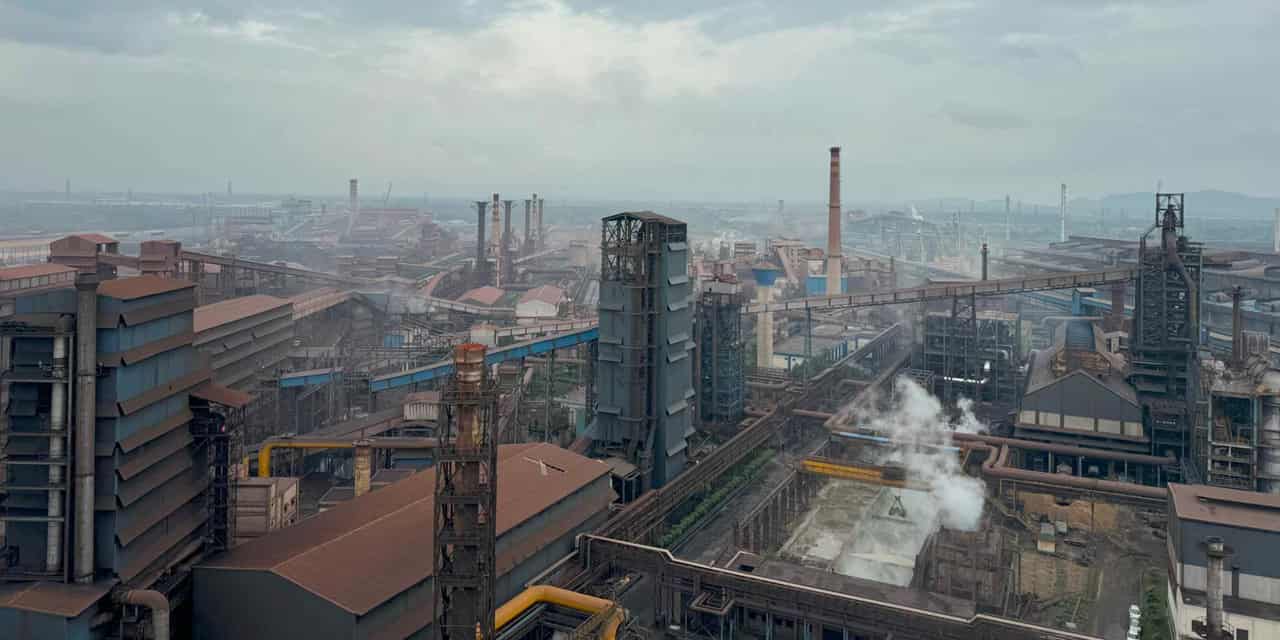
The expansion of carbon pricing into emerging markets means that a larger portion of global industrial output is subject to costs associated with emissions, potentially impacting commodity prices, corporate profitability, and investment flows into these sectors.
Carbon-pricing systems aimed at reducing greenhouse gas emissions have expanded significantly in emerging economies, now encompassing approximately 30% of global emissions, a substantial increase from 2020 levels. Countries such as India and Vietnam are at the forefront of this expansion, targeting major industrial polluters like steel and cement manufacturers. India, for instance, intends to integrate the steel sector into its emissions-trading system by 2027. This global trend reflects a growing commitment to climate action and the implementation of market-based mechanisms to achieve environmental goals.
Pick the topics you care about. Get only what matters, on your cadence.