Key facts
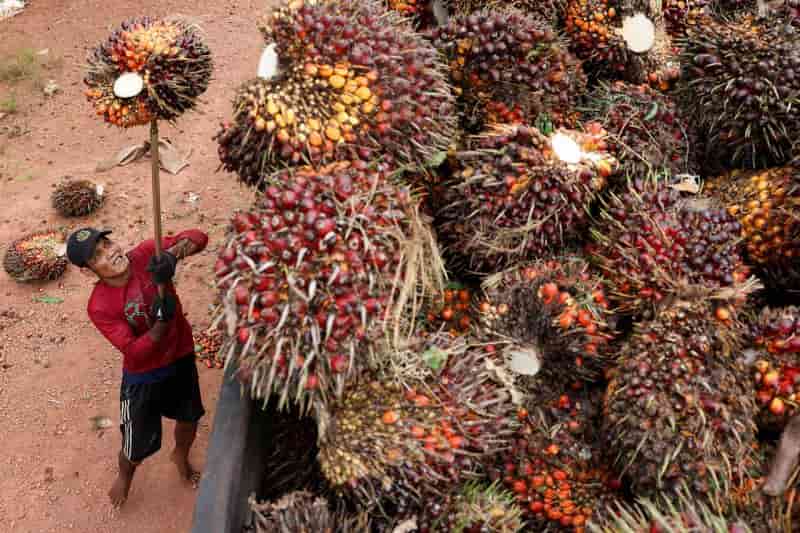
- Thousands of smallholder farmers in West Kalimantan are stuck with rotting palm fruit bunches.
- The drought has caused forest fires in Borneo, spreading haze to Malaysia and Singapore.
- West Kalimantan accounts for about 11% of Indonesia's palm oil output.
- Analysts estimate fourth-quarter output across Indonesian Borneo could fall by 12% to 15%.
- Truck shipments are three times the cost of barge shipments.
- Some farmers have cut fertilizer applications by up to 70% to save costs.
A severe El Niño-driven drought has paralyzed palm oil transportation and production in Indonesia's West Kalimantan, leaving thousands of farmers with unmarketable harvests. The Kapuas River, the region's primary shipping artery, has receded to expose sandbanks, stranding barges and tugboats. Palm oil mills have been forced to cut purchases and limit production as their storage tanks fill with processed oil they cannot ship out.
Farmers like Supendi, 33, have been turned away from mills with their fruit bunches, facing significant financial losses. Road transport is a limited and more expensive alternative. The drought has also fueled forest fires in Borneo, causing haze across the province and as far as Malaysia and Singapore.
Analysts estimate that fourth-quarter palm oil output in Indonesian Borneo could fall by 12% to 15%. The Indonesian weather agency expects the rainy season to be delayed until November, further prolonging the crisis.