Key facts
- El Nino is contributing to rising food prices and worsening global food insecurity.
- Indonesia is experiencing severe drought and widespread forest fires.
- The Philippines is preparing for increased energy demand due to hotter and drier weather.
- Sea-surface temperatures in the Pacific have reached an all-time high.
- The IMF is preparing to offer support to countries struggling with El Nino's impact.
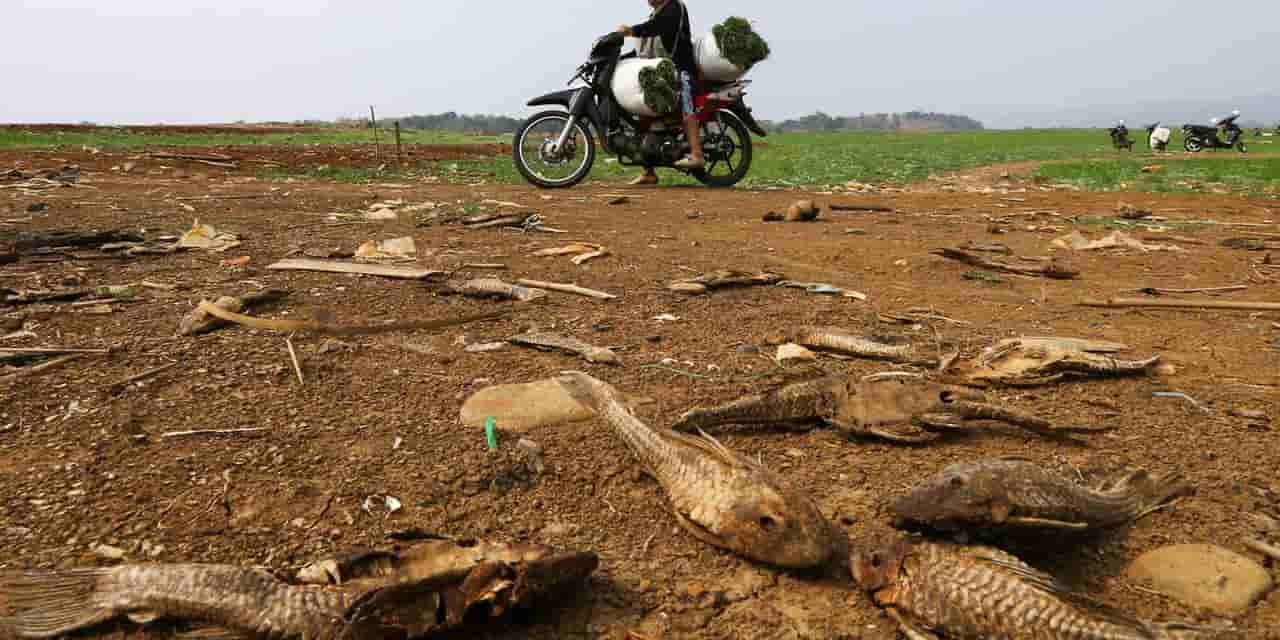
The ongoing El Nino climate pattern is contributing to rising food prices and worsening global food insecurity, an IMF director said during a meeting in Thailand. The International Monetary Fund is "very concerned" about the impacts, particularly on food security, and is preparing to offer support to countries that may struggle to absorb the effects. The UN Development Programme warned that the combined impacts of higher borrowing costs, surging energy prices and the powerful El Nino created "a perfect storm that could throw tens if not hundreds of millions of people back into poverty." Aid workers in southern Madagascar are already battling famine conditions expected to worsen. El Nino is associated with strong drought in Indonesia, where months of forest and plantation fires have caused a regional haze crisis. The fires have sickened tens of thousands of people and led to the rescue of dozens of orangutans. Haze from fires also blanketed Manaus, Brazil, where public schools were shut. Myanmar warned citizens to expect power outages as the electricity grid is strained by an unseasonal heatwave authorities blamed on El Nino. In the Philippines, the government is preparing for higher energy demand and the possibility of hydropower declines due to hotter and drier weather. Sea-surface temperatures in a key monitoring region in the Pacific reached an "all-time high" last month, and Japan's weather agency declared this El Nino was of "the strongest intensity on record."