Key facts
- The Supreme Court found the law's criterion of immigrants and descendants from non-Western countries is neutral, not a measure of ethnic origin.
- The court said cutting the non-Western share in Nojsomhed to 50% or below would not be direct discrimination because the criterion is lawful.
- The court found no evidence that particular ethnic groups were put at a disadvantage.
- Housing Minister Jacob Mark said the law strengthens security, social cohesion, and integration.
- Lawyer Eddie Khawaja, representing evicted residents, said the court looked more at the law's wording than how it was implemented.
- Housing association Boliggaarden said the evictions affected people and their homes but that rehousing residents had been important.
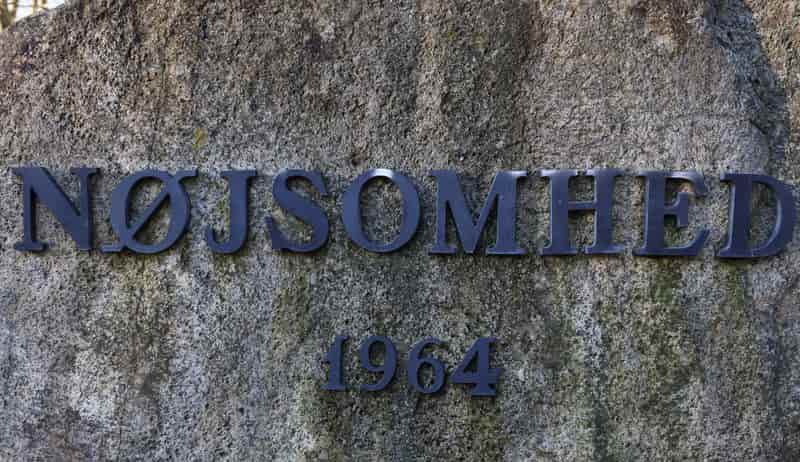
Denmark's Supreme Court ruled on November 23, 2026 that housing association Boliggaarden did not discriminate on ethnic grounds when it ended 91 leases in the Nojsomhed area of Helsingor, north of Copenhagen, to keep the neighborhood from being classed a hard ghetto. The ruling upheld a 2022 lower-court decision in seven cases brought by evicted tenants and backs the 2018 ghetto law, a pillar of the country's immigration approach.
The court found that the law's criterion of immigrants and descendants from non-Western countries is neutral and is not a measure of ethnic origin. It said that even if the association aimed to cut the non-Western share in Nojsomhed to 50% or below, that would not be direct discrimination because the criterion itself is lawful. It also found no evidence that particular ethnic groups were put at a disadvantage.
The EU's top court ruled in 2025 that the law could amount to ethnic discrimination if ethnic origin was a decisive consideration when it was adopted, and said residents of such areas faced a higher risk of early lease termination than residents of areas with similar social problems but fewer non-Western residents. It left the final decision to national courts.
Housing Minister Jacob Mark said in a statement that he was satisfied with the decision, saying the law strengthens security, social cohesion, and integration. Denmark officially stopped referring to ghettos in 2021.
Eddie Khawaja, lawyer for the evicted residents, said the Supreme Court had looked more into the wording of the law instead of how it was implemented on the ground. Professor Frederik Waage of the University of Southern Denmark said the EU ruling gives Danish courts leeway that is being fully taken advantage of. Boliggaarden said in a written statement it was aware its decision to evict residents had affected people and their homes, but that rehousing the residents had been important to the association.