Key facts
- CVS Health said the separated companies will both be publicly traded and current shareholders will own shares in both.
- The pharmacy company, CVS Pharmacy, will hold about 9,000 pharmacies, in-store clinics and mail-order prescriptions, the Financial Times reported.
- The company keeping the CVS Health name will house insurer Aetna, pharmacy benefit manager Caremark and home visit and primary care businesses.
- Chief executive and chair David Joyner will run the healthcare solutions business, CVS Health said.
- CVS Health bought Aetna in a deal agreed in 2017 at $69 billion and completed in 2018; Reuters said the purchase ultimately cost about $78 billion.
- CVS Health said the separation unwinds years of expansion that made it one of the largest US healthcare conglomerates.
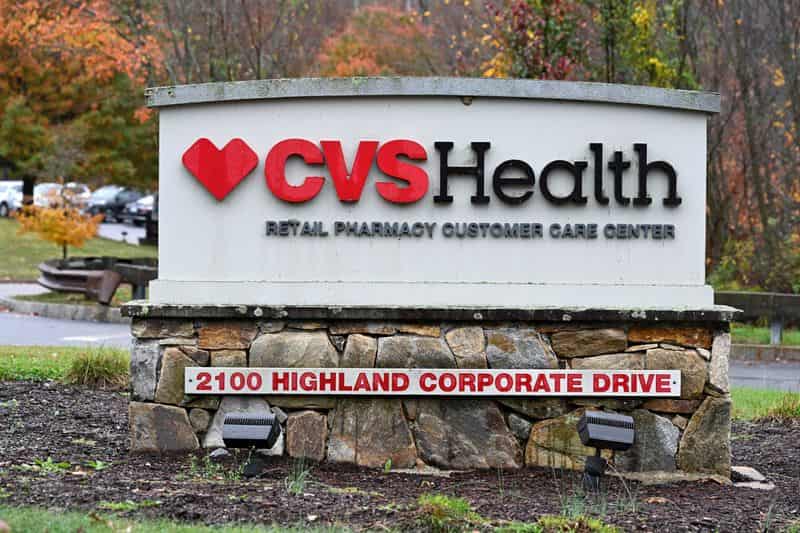
CVS Health said on November 4, 2026 that it would split its retail pharmacy business from its insurance and pharmacy benefit operations, unwinding years of expansion that turned the drugstore chain into one of the largest US healthcare conglomerates. The company said the split is planned for early 2028, that the two resulting companies will both be publicly traded, and that current shareholders will own shares in both.
The pharmacy company will be named CVS Pharmacy and will hold about 9,000 pharmacies, in-store clinics and mail-order prescriptions, the Financial Times reported. A second company will keep the CVS Health name and house insurer Aetna, pharmacy benefit manager Caremark and businesses providing home visits and primary care to older people. Chief executive and chair David Joyner will run the healthcare solutions business.
The announcement followed press reports. The Financial Times reported that CVS Health was considering a breakup that could separate its retail pharmacy chain from its insurance business. The Wall Street Journal then reported that CVS Health would split into two companies, one keeping the CVS name under Joyner.
CVS Health built the businesses it now plans to separate through acquisitions. It bought Caremark for $26.5 billion in 2007, creating a major presence in pharmacy benefit management, and agreed in 2017 to acquire Aetna in a $69 billion deal that it completed in 2018; Reuters said the purchase ultimately cost about $78 billion. It later added home healthcare company Signify Health for about $8 billion in cash in 2022 and primary care provider Oak Street Health for $9.5 billion in 2023.