Key facts
- Cuba's national electric grid experienced a nationwide blackout on Tuesday.
- This is the third such incident in two weeks.
- The blackout affected the entire island, leaving millions without power.
Cuba's national power grid collapsed on Tuesday, marking the third nationwide blackout in two weeks and affecting 10 million people. Officials attribute the crisis to a U.S. oil embargo and fuel shortages, exacerbating the island's economic woes.
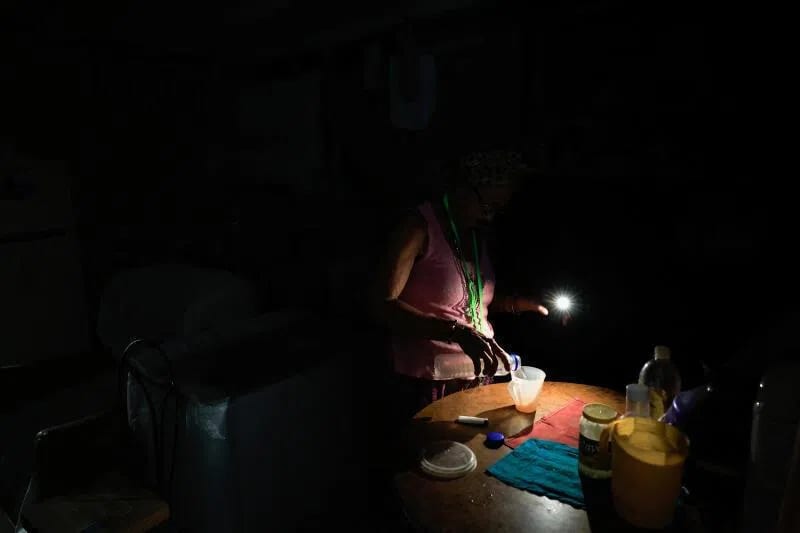
The recurring blackouts highlight Cuba's severe economic crisis, exacerbated by U.S. sanctions, impacting millions of citizens and essential services.
Cuba's national electric grid suffered another blackout on Tuesday, leaving the entire country without power. This marks the third nationwide incident in two weeks, exacerbating an ongoing economic and financial crisis deepened by a U.S. oil embargo. Fuel shortages have been critical since January, leading to disruptions in public transportation and the cancellation of tens of thousands of surgeries. The state-owned Electric Union reported that a problem with a generating unit in the eastern province of Holguín caused the blackout. Restoration protocols have been activated, with authorities working to establish "micro-islands" to supply power to essential locations such as hospitals and food processing plants. By Tuesday afternoon, some parts of Havana had power restored, and hospitals in Guantánamo and Cienfuegos began receiving electricity. Previous nationwide blackouts occurred on Monday and Friday of the prior week, affecting over 9 million Cubans. These outages, combined with the energy embargo, have led to transportation limitations, reduced work hours, flight cancellations, and serious public health consequences, impacting basic activities like cooking, water supply, and communication services. Many residents have adapted by installing solar backup systems and relying on electric vehicles.
Pick the topics you care about. Get only what matters, on your cadence.