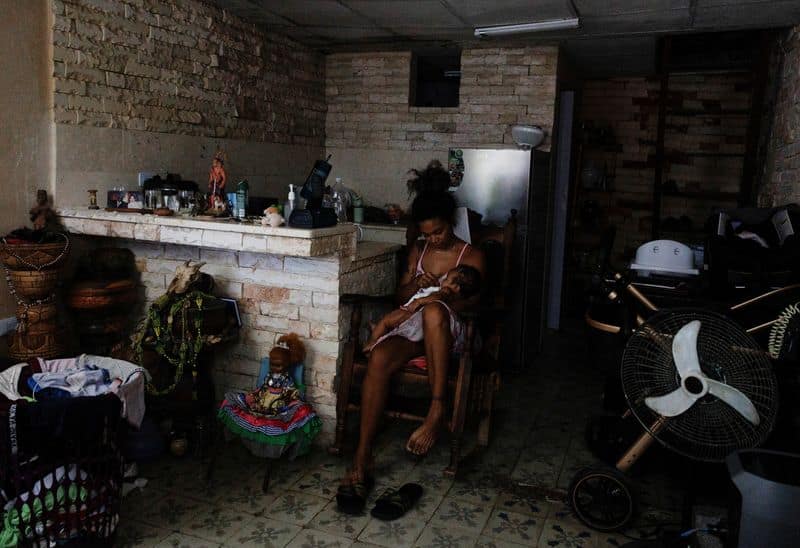
Havana residents are enduring daily blackouts due to the island's energy crisis, exacerbated by an oil blockade and aging infrastructure. The prolonged power outages are impacting essential services like water supply and food preservation, forcing communities to rely on mutual aid.

The prolonged blackouts in Cuba underscore the severe impact of the island's energy crisis, driven by aging infrastructure and U.S. sanctions, on the daily lives of its citizens, affecting essential services and food security.
Cuba's national electricity grid collapsed over the weekend, plunging much of the island into darkness and exacerbating an ongoing energy crisis. Residents in Havana, particularly those living in cramped tenement buildings known as 'solares,' are enduring extended blackouts that have become their daily reality.
Frank Alfonso, a 39-year-old resident, described how the pervasive lack of electricity has disrupted normal life. He noted that the grid's collapse was barely noticeable to him and his neighbors, as they were already accustomed to frequent power outages. The situation has led to critical shortages, with one resident, Yunaisi Durruti, reporting no water for a week because the pump to her apartment requires electricity. Durruti, who previously worked in hospitality, now commutes to a neighborhood with more reliable power to manage basic needs like cooking and washing clothes.
The island's aging infrastructure is struggling to cope, compounded by a U.S.-imposed oil blockade. Residents like Thalía Castillo and Lazaro Herrera have managed to maintain some electricity thanks to a generator sent by relatives in the United States, but even this is a temporary solution. Herrera, an Afro-Cuban religious priest, noted that a prophecy from the beginning of the year warning of "convulsions and conflict" has seemingly come true.
Despite the hardships, a strong sense of community solidarity persists, with neighbors sharing resources like water. In a moment of shared experience, residents gathered in the street to watch Argentina's World Cup quarter-final match, hooking up a television to a generator, highlighting their resilience amidst the crisis.