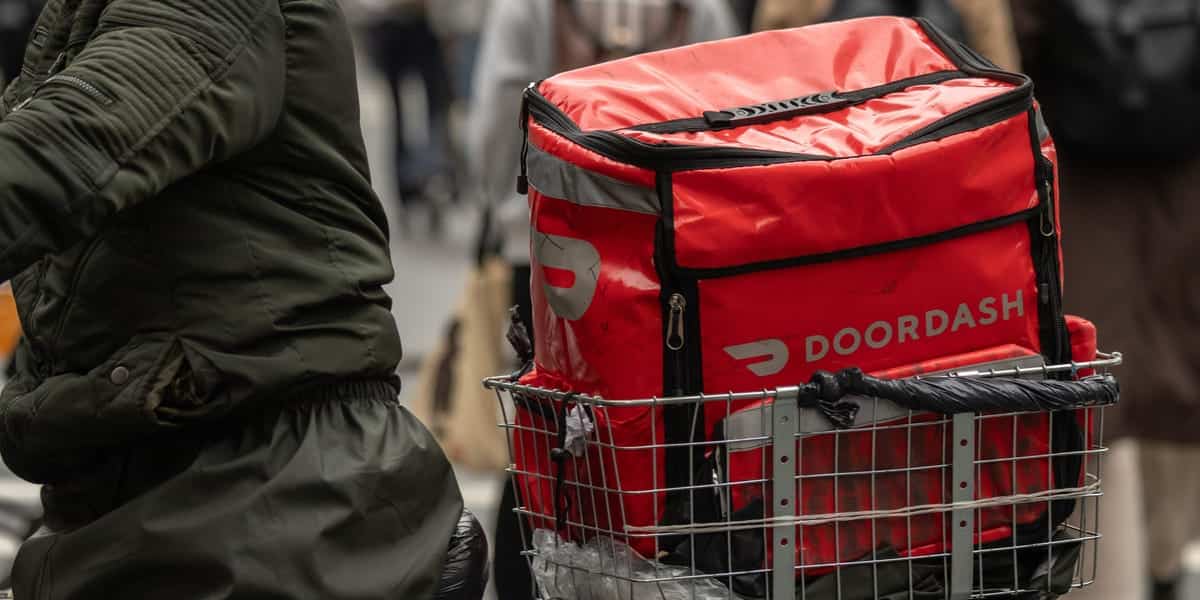
Despite a general trend of consumers tightening their budgets, spending on food delivery services remains robust. Companies like DoorDash, Uber Eats, and Instacart have reported strong sales growth, indicating that consumers are prioritizing the convenience of having groceries and restaurant meals delivered to their homes.
This resilience in food delivery contrasts with broader retail trends. Walmart recently posted its slowest quarterly comparable sales growth since 2020, and US retail sales saw a 0.6% decrease in July. Some consumers are also shifting their dining choices, moving away from McDonald's towards competitors like Burger King and Chili's, which are leveraging value-focused meal deals.
Delivery platforms are expanding their services to attract and retain customers. DoorDash, for instance, has increased the number of stores available on its app, including partnerships with regional grocers and the integration of SNAP benefits for grocery orders. The fundamental need for food and groceries, which people consume multiple times a week, is cited as a key factor in the category's resilience.
For many users, the convenience offered by these delivery services outweighs the additional costs. Individuals with disabilities, those without personal transportation, or families seeking to save time on meal preparation and cleanup find delivery services to be a valuable solution. Some consumers also report that grocery delivery can be more economical than shopping in-store, especially when factoring in transportation expenses.