Key facts
- The personal consumption expenditures (PCE) price index showed inflation at 3.7% year-over-year in July, unchanged from June.
- Core PCE inflation, which excludes volatile food and energy prices, also remained steady at 3.3% year-over-year.
- On a monthly basis, both overall and core PCE prices increased by 0.2% in July.
- Energy costs, influenced by the conflict with Iran, have contributed to elevated inflation.
- Spending on AI infrastructure has also driven up prices for computer chips and related goods.
- Consumer confidence declined for the second month in a row in August.
Inflation in the United States remained stubbornly elevated in July, with the Federal Reserve's preferred measure, the personal consumption expenditures (PCE) price index, holding steady at 3.7% year-over-year. This figure matches the rate seen in June and remains significantly above the Fed's 2% target.
Core PCE inflation, which excludes volatile food and energy prices, also showed no improvement, remaining unchanged at 3.3% annually. On a monthly basis, both overall and core prices saw a 0.2% increase in July, reversing a slight decline in June for the headline figure and continuing a modest upward trend for the core measure.
The persistent inflation presents a challenging landscape for Federal Reserve policymakers as they deliberate on potential interest rate hikes at their upcoming meeting. Factors contributing to the elevated prices include the conflict with Iran, which has driven up global energy costs, and increased spending on artificial intelligence infrastructure, impacting semiconductor prices. Additionally, renewed trade tensions with Canada and China raise concerns about higher costs for imported goods.
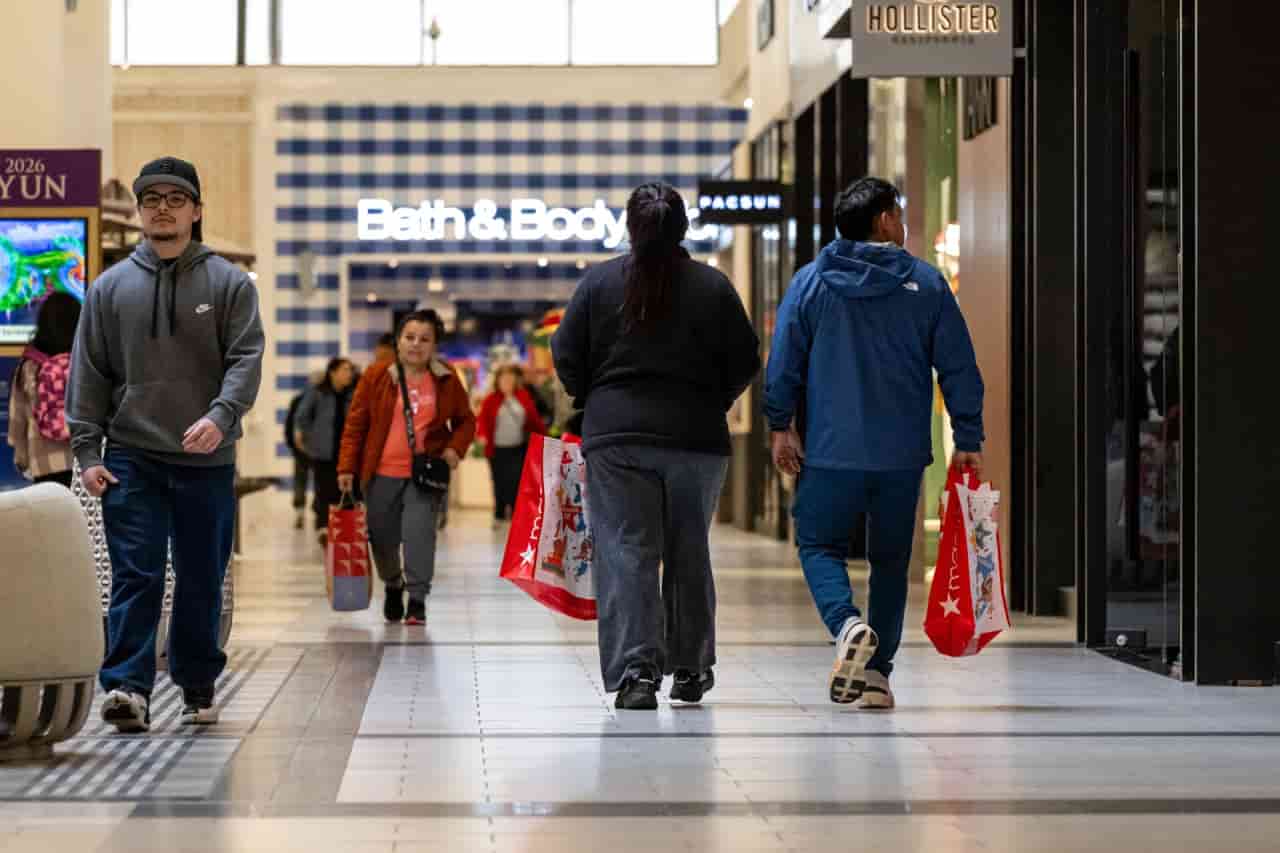
For consumers, the situation translates to higher prices for essential goods, particularly gasoline, while wage growth has stagnated, putting pressure on household budgets. Consumer confidence has reflected this strain, falling for the second consecutive month in August.
Some Fed officials believe the current inflation situation allows for a pause in rate hikes, especially if energy prices do not continue to climb and broadly impact the economy. However, others argue for decisive action to maintain the central bank's credibility, given the prolonged period of elevated inflation. Fed Chair Kevin Warsh has emphasized his commitment to returning inflation to the 2% target, with further insights expected from his upcoming speech.