Key facts
- A Chinese researcher at the University of Michigan, Wang Danhao, died by suicide on March 19.
- Wang Danhao was questioned by two Department of Homeland Security officers on March 18.
- The interview with DHS officers occurred shortly before Wang Danhao's death.
- Chinese officials claim Wang Danhao was subjected to harassment and interrogation by U.S. officials.
- Wang Danhao met with an attorney on March 19, who reportedly told him the DHS questioning was 'nothing serious'.
- Wang Danhao fell from the third floor of a campus building and died from blunt force trauma.
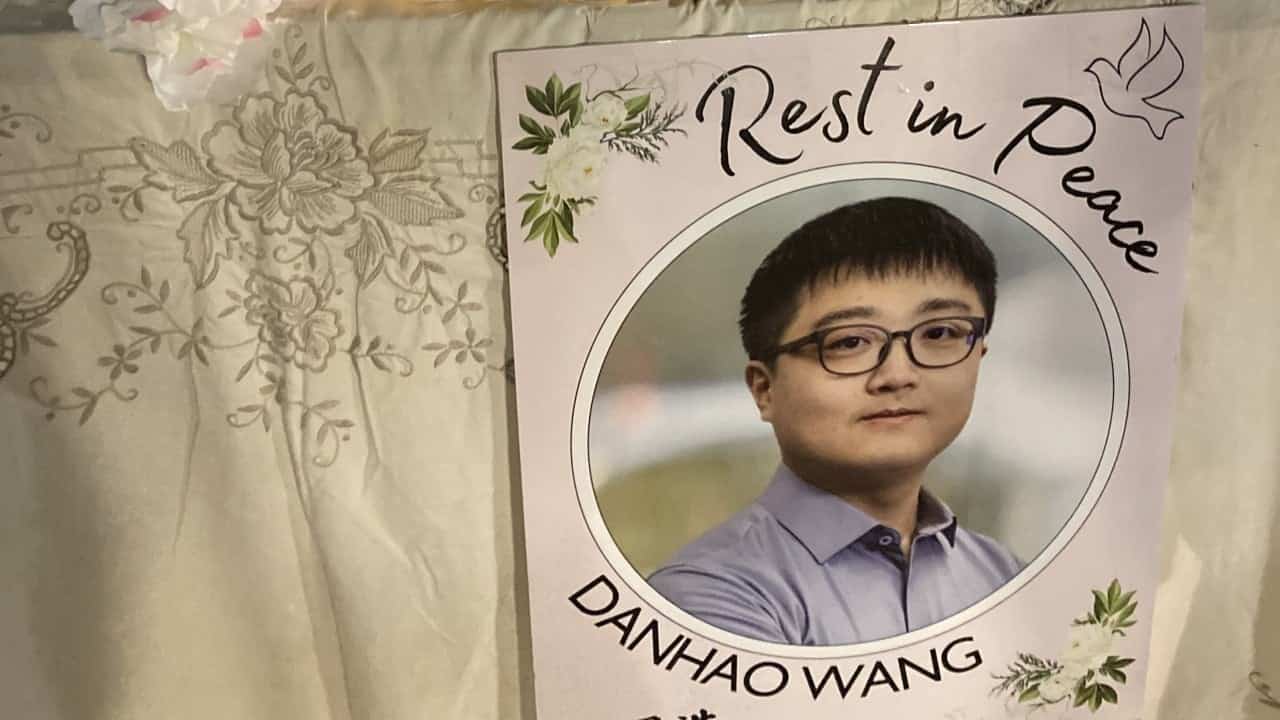
The death of Wang Danhao, a 31-year-old Chinese semiconductor researcher at the University of Michigan, has been shrouded in mystery following a heavily redacted police report. Wang died by suicide on March 19, the day after being questioned by two Department of Homeland Security (DHS) officers. The interview, which began outside his Ann Arbor home on a cold morning, was initially brief but continued at a local coffee shop at Wang's request.
According to a campus police report, one of the DHS agents offered to reschedule the interview due to the weather, but Wang wanted to continue. The conversation lasted about half an hour, and Wang left voluntarily, reportedly offering to answer future questions. The content of the DHS interview was not detailed in the police report.
The following day, Wang met with an attorney for over two hours. Later that evening, Wang unexpectedly arrived at the George G. Brown Building on campus. A witness described Wang as looking "weird" with red eyes shortly before he fell from the third-floor balcony to the second floor. The witness stated Wang mentioned being questioned by DHS and speaking with a lawyer who deemed it "nothing serious."
Wang died from blunt force trauma. Chinese officials, including the Chinese Consulate in Chicago, have publicly stated that Wang took his own life after harassment and interrogation by U.S. officials. They have called for a full investigation and accused the U.S. of overstretching national security for political reasons, infringing on the rights of Chinese citizens and creating a "chilling effect" on exchanges. The U.S. Department of Homeland Security has not publicly acknowledged the interview or commented on the matter.