Key facts
- China's National Energy Administration directed domestic producers to boost oil and gas output.
- Disruptions to Middle Eastern oil shipments and the disappearance of Iranian crude have increased urgency.
- China has drawn down inventories for four of the past five months.
- Onshore crude stocks stood at approximately 1.192 billion barrels as of October 19.
- Iran's floating crude inventories available for delivery to China were exhausted by October 5.
- China and Russia agreed to support expanded oil cooperation.
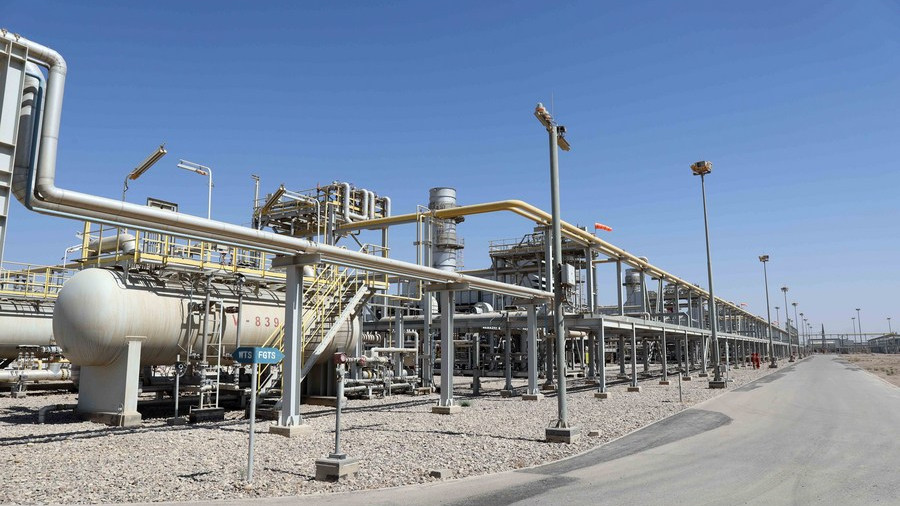
China is urging its domestic oil and gas producers to increase production and develop supply bases as disruptions to Middle Eastern oil shipments and the disappearance of Iranian crude from the market create supply concerns. The National Energy Administration directed major producers like PetroChina, Sinopec, and CNOOC to expand capacity and investment. Beijing has been pursuing energy independence for years, but recent events have added urgency. China has managed the crisis relatively well by utilizing its substantial crude inventories, estimated at 1.3 to 1.4 billion barrels when the Iran war began in February. However, these stockpiles are finite, and China has been drawing them down for several months. In September, domestic production covered less than half of the country's crude processing needs, with the shortfall met by inventory withdrawals. Despite the drawdowns, China's onshore crude stocks remain significant. The country is also looking to Russia for increased cooperation, though Russia's own production challenges exist. Expanding domestic production, particularly in challenging deepwater or unconventional resources, requires significant capital and time.