Key facts
- China is emerging as an architect of the international order, creating institutions and proposing diplomatic initiatives.
- Beijing is building networks of trade and alternative financial institutions, rather than replicating American military alliances.
- China offers developing countries alternative paths to prosperity through infrastructure investment and state-backed loans.
- The U.S. remains the world's most powerful country but appears less willing to lead globally due to domestic political divisions and foreign policy approach.
- China's ambition is to gain greater influence over the ideas and institutions that determine the international system's workings.
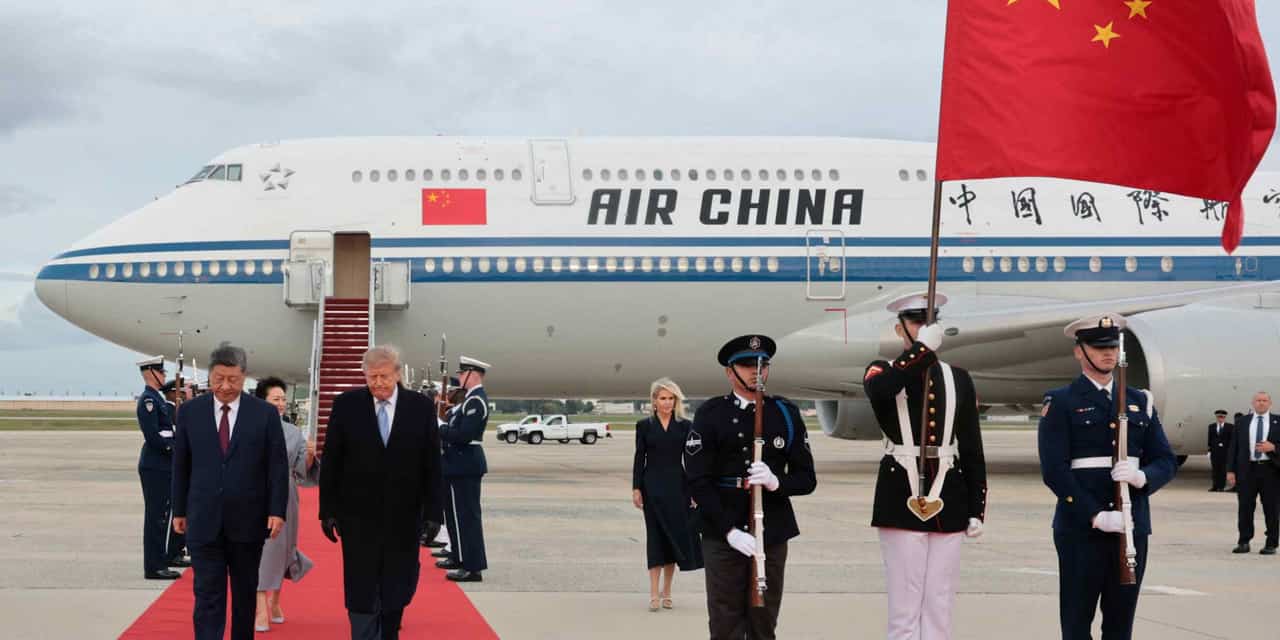
China is increasingly shaping the international order by creating institutions, proposing diplomatic initiatives, and offering alternative development paths, according to Alicia Garcia-Herrero, senior fellow at Bruegel and chief economist for Asia-Pacific at Natixis. President Xi Jinping of China met President Donald Trump at the White House on Thursday.
Garcia-Herrero noted that while the U.S. remains the world's most powerful country, China is emerging as an architect of the global order. Beijing is establishing technological standards, offering infrastructure to countries worldwide, and mobilizing its technological champions as sources of power. Unlike the American system of military alliances, China is building networks of trade and alternative financial institutions.