Key facts
- U.S. President Donald Trump and Chinese President Xi Jinping concluded a summit in Washington.
- The two leaders agreed to extend a trade truce by two months, until January 10.
- Discussions included artificial intelligence, trade, Taiwan, and the war in Iran.
- Trump expressed a focus on "super intelligence" and a desire to avoid new AI regulations.
- Xi emphasized the need for AI development to remain under human control.
- China urged the U.S. and Iran to return to talks to resolve the Iran war.
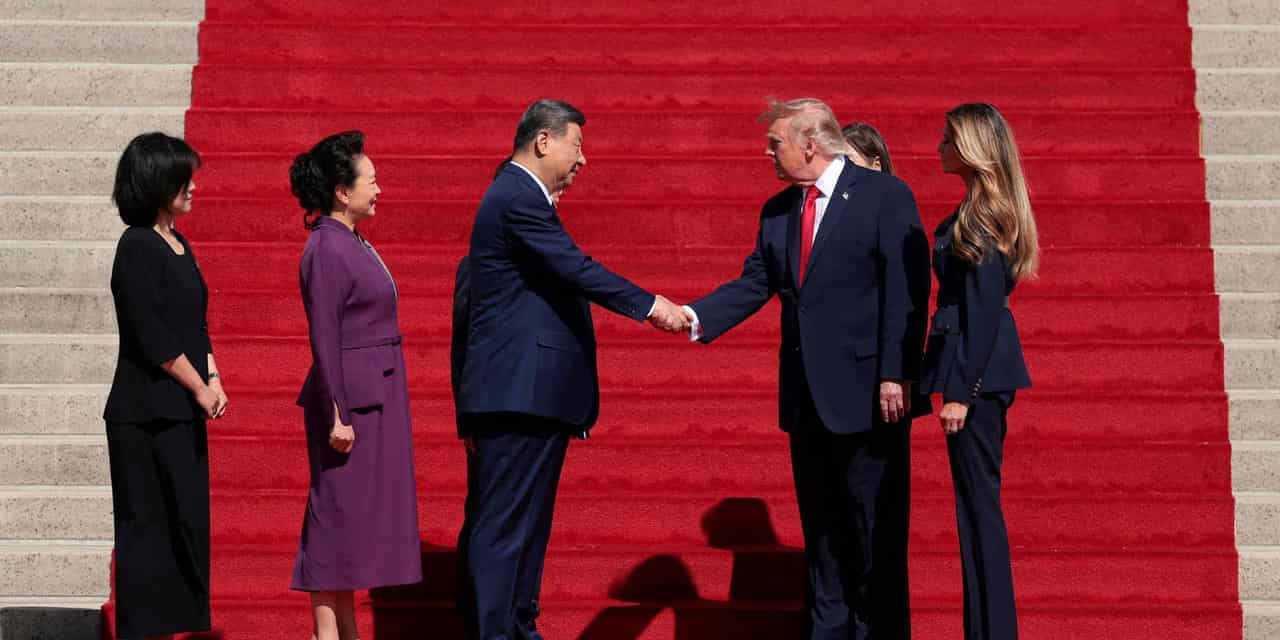
U.S. President Donald Trump hosted Chinese President Xi Jinping for a three-day state visit in Washington, marked by elaborate ceremonies but limited substantive agreements. The summit, which included a rare airport welcome and a lavish state dinner, focused on personal rapport between the leaders rather than significant policy breakthroughs.
While the leaders extended a trade truce by two months, until January 10, and initiated a dialogue on artificial intelligence, major issues like trade disputes, Taiwan's status, and investment remained largely unresolved. Trump expressed a focus on "super intelligence" and a reluctance for new AI regulations, while Xi emphasized the need for AI development to remain under human control. China also urged the U.S. and Iran to resume talks to resolve the ongoing war in Iran.
Critics, including Senate Democrats, argued that the summit prioritized pageantry over substance. Former U.S. diplomat Danny Russel described the event as "diplotainment," suggesting that the extensive social and ceremonial events overshadowed the approximately 90-minute closed-door meeting. The U.S. president's deferential treatment of Xi contrasted sharply with his more aggressive stance on trade with Canada, which included 50% tariffs on some imports and a ban on certain Canadian products. Experts noted that Trump's approach to China shifted when Beijing cut off critical mineral supplies, making direct confrontation less feasible.