Key facts
- China is seeking long-term LNG supply deals from exporters not using the Strait of Hormuz.
- This move aims to reduce China's reliance on Persian Gulf gas deliveries.
- Africa is experiencing severe fuel and fertilizer shortages due to ongoing energy trade restrictions.
- The closure of the Strait of Hormuz, a critical oil transport route, has significantly impacted global energy trade.
- Developing Africa's refining capacity and renewable energy potential are key to enhancing its energy security.
China is actively pursuing long-term liquefied natural gas (LNG) supply agreements with exporters that do not rely on transit through the Strait of Hormuz. This strategic pivot aims to reduce the world's top LNG buyer's exposure to disruptions in the Persian Gulf, which have been exacerbated by regional conflicts.
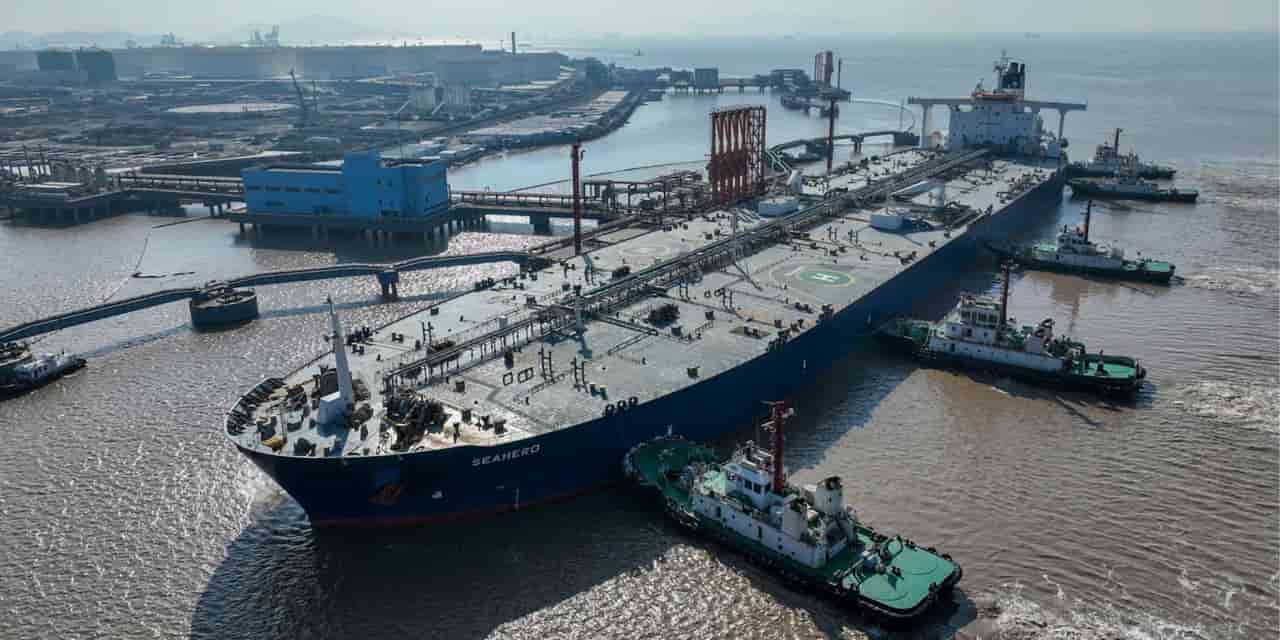
The ongoing closure of the Strait of Hormuz, a vital shipping corridor through which approximately 20% of the world's oil is transported, has led to significant energy shortages across various regions. Africa, in particular, is facing severe fuel and fertilizer shortages, highlighting its vulnerability to global energy trade constraints and its dependency on Iran and Asian countries like China.
Analysts suggest that the crisis underscores the need for African nations to bolster domestic energy capacity, diversify international partnerships, and strengthen regional supply chains. Developing greater refining capacity, especially in countries like Nigeria and Angola, could reduce reliance on imported refined products and add value to the oil industry. Furthermore, Africa possesses substantial potential for renewable energy development, including solar and wind power, which could enhance energy security and support a sustainable, low-carbon future.
European countries are increasingly looking to Africa for resources critical to the global green transition, potentially fostering mutually beneficial trade corridors. The continent's abundant solar resources, coupled with wind, hydropower, and geothermal potential, offer significant opportunities for renewable energy deployment. Harnessing even a fraction of this potential could alleviate energy poverty and contribute to a sustainable future.