Key facts
- China's strategic oil stockpiling has acted as a buffer against Middle East supply disruptions.
- China's crude oil imports fell to an eight-year low in May, with refinery run rates at a four-year low.
- The country's actions have helped lower geopolitical risk premiums in oil prices.
- China's strategic petroleum reserve is estimated to be significantly larger than the US reserve.
- A potential return to significant Chinese crude purchases could tighten the market and increase inflation.
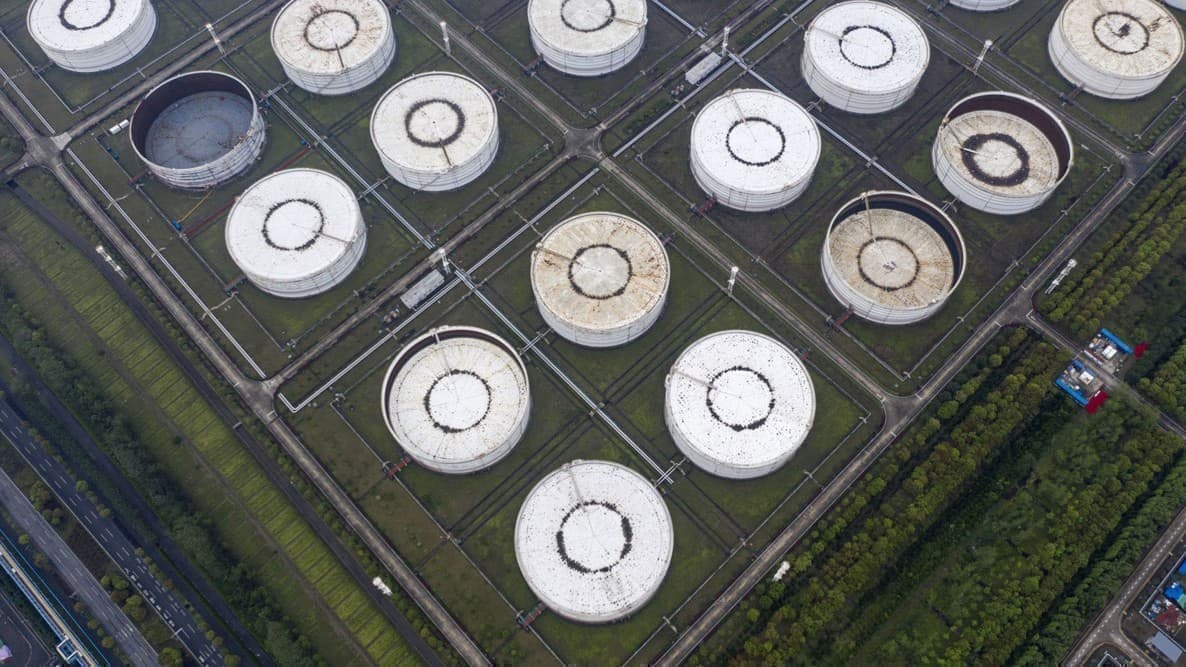
China's strategic decision to stockpile crude oil over the past year has served as a critical buffer against escalating geopolitical tensions and supply disruptions in the Middle East. The world's largest crude importer has amassed significant reserves, taking advantage of lower prices. This proactive strategy has insulated China to some extent from the immediate impact of the conflict, allowing it to reduce imports without severe economic repercussions.
Official customs data shows China's total oil imports fell in May to an eight-year low of 7.8 million barrels per day, a substantial decrease from pre-conflict levels. Tanker-borne imports saw an even steeper decline, hitting a 10-year low. Analysts suggest China has likely tapped its strategic petroleum reserve, estimated to be around 1.4 billion barrels at the end of 2025, to manage the supply shock. This move has effectively lowered geopolitical risk premiums in oil prices, as traders now recognize China's capacity to absorb large supply disruptions.
While China's interventions were driven by necessity due to the closure of the Strait of Hormuz, its role as a stabilizing force in the oil market is a historic first. If China rebuilds its reserves after the situation stabilizes, it could provide a short-term boost to global oil demand. However, the long-term implication is that China is shifting from being a primary bullish factor for oil prices to a stabilizing force, which could be bearish for the market.