Key facts
- Oil prices fell significantly after the US and Iran announced a peace deal and the reopening of the Strait of Hormuz.
- Brent crude futures dropped 4.02% to $83.82 and WTI fell 4.63% to $80.95.
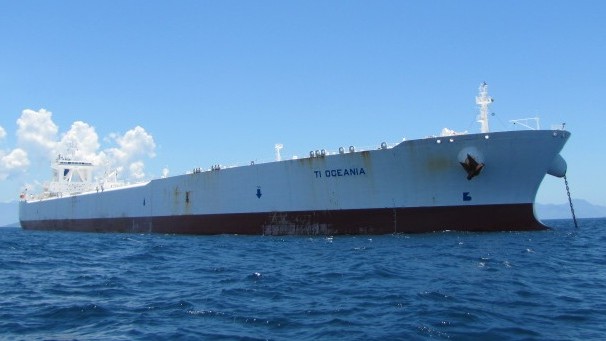
- Record orders for Very Large Crude Carriers (VLCCs) have been placed amid previous geopolitical risks in the Strait of Hormuz.
- Chinese crude imports reached an eight-year low in May, contributing to demand concerns.
- OPEC+ agreed to a further production increase of 188,000 b/d for July.
- Saudi Aramco cut its July crude prices for Asia by $6 per barrel.
Oil prices experienced a significant decline following the announcement of a peace deal between the United States and Iran, which includes the resumption of traffic through the Strait of Hormuz. Brent crude futures fell by 4.02% to $83.82 a barrel, and West Texas Intermediate (WTI) dropped 4.63% to $80.95.
This development comes amid a complex global oil market characterized by record orders for Very Large Crude Carriers (VLCCs) due to previous geopolitical risks in the Strait of Hormuz. Approximately 10% of the non-sanctioned VLCC fleet has been avoiding the Strait, leading to increased prices for second-hand tankers. Despite these supply-side concerns, crude prices had been relatively stable, supported by fears of demand destruction, particularly from China.
Chinese crude imports in May reached an eight-year low of 7.8 million barrels per day, a significant drop from the previous year, as the country implements run cuts and reduces inventories. This weakening demand prompted Saudi Aramco to cut its July crude prices for Asian customers by $6 per barrel. OPEC+ has agreed to an additional production increase of 188,000 barrels per day for July.
In other energy sector news, Chevron is seeking to invest $13.8 billion in Argentina's Vaca Muerta shale play, while trading house Mercuria acquired Raizen's downstream business for $1.42 billion. Italy's ENI signed an exploration agreement in The Gambia, and Brazil's Petrobras secured rights for offshore blocks in Côte d'Ivoire. US LNG developer Glenfarne has raised its cost estimate for the Alaska LNG project to $55 billion. BP has formalized its restructuring into upstream and downstream units. In the metals market, Gulf countries' primary aluminium output has fallen to a decade low, increasing Chinese exports.