Key facts
- China aims to revise the international political order, redistributing power away from liberal democracies.
China is positioning itself to revise the international political order, seeking to replace the US-led system with one that redistributes power more equally among states. Beijing views America as declining and dangerous, and is patiently accumulating power and influence to become recognized as the leader of a new global order. This vision includes leading in global health governance and promoting cyber sovereignty.
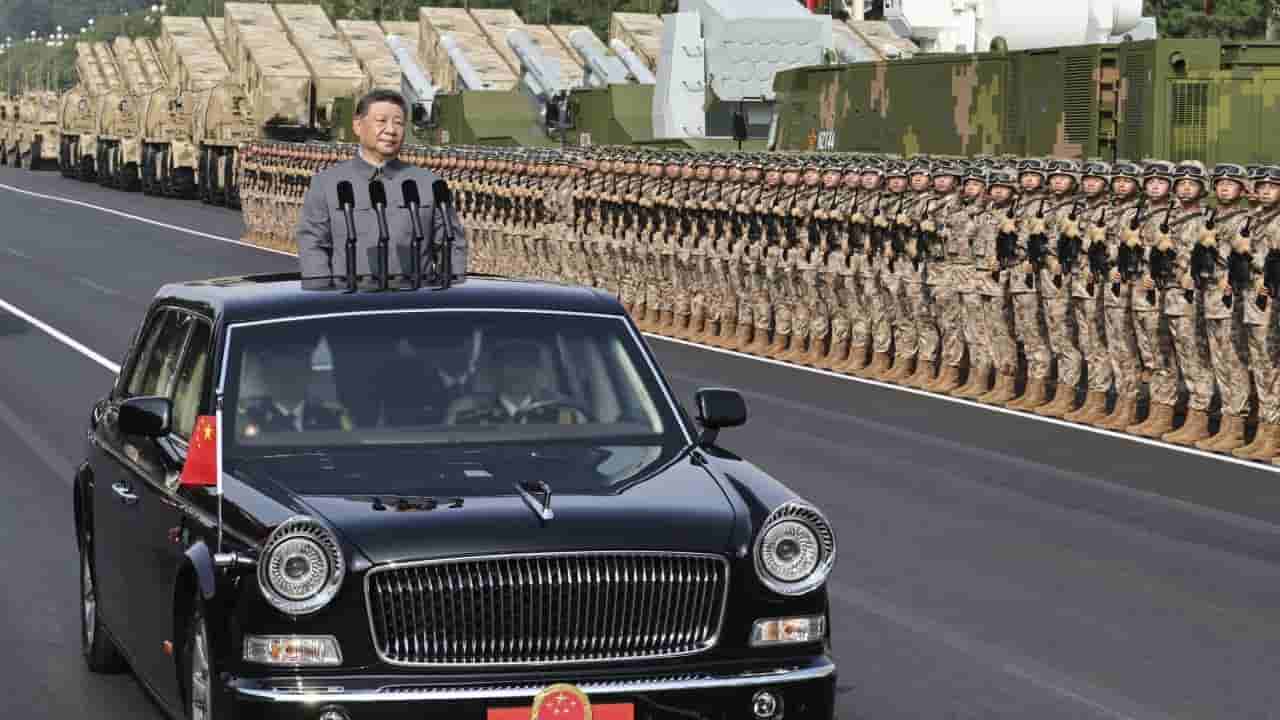
China's growing assertiveness and its vision for a new international order could reshape global politics and economics, potentially impacting trade, alliances, and the influence of existing liberal democracies.
As global turbulence grows and the US appears to be scaling back its international ambitions, China is positioning itself to revise the international political order. Chinese leaders and experts argue that the era of 'hegemonic politics' should be replaced by a new order that redistributes power more equally among states, while protecting the inviolability of sovereign states. Beijing views America as declining but dangerous, and rather than confronting the US for leadership, China is patiently accumulating power and influence to become recognized as the leader of a new political order. This vision includes leading in global health governance and promoting the idea of 'cyber sovereignty,' asserting a state's control over the internet within its borders. Chinese officials have characterized the US political system as 'gravely ill' and highlighted societal problems like gun violence and inequality. During the 2014 Ebola epidemic, China contributed $123 million to the international humanitarian crisis response.
Pick the topics you care about. Get only what matters, on your cadence.