Ex-US official urges AI arms control lessons from Cold War
IN SHORT
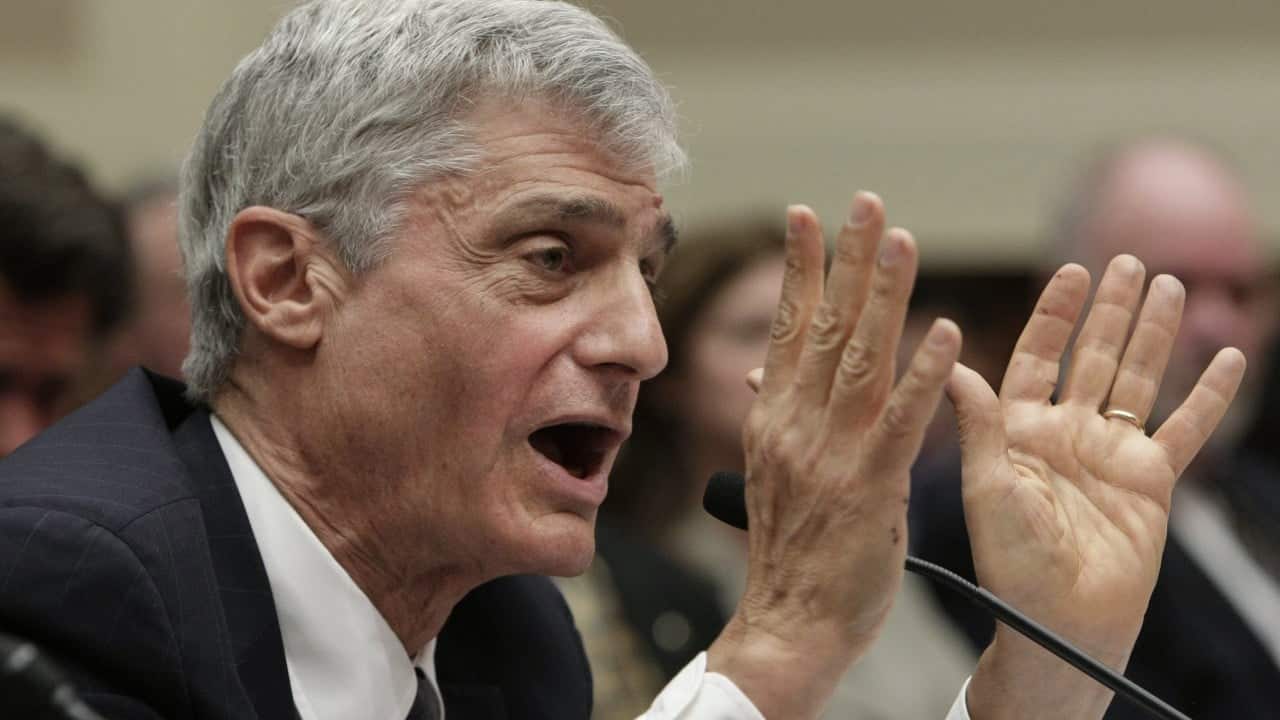
Former US Treasury Secretary Robert Rubin suggested that the US and China should cooperate on artificial intelligence risks, drawing parallels to Cold War-era nuclear arms control talks. Security experts also proposed nuclear-style safeguards for AI, including red lines around nuclear systems and a hotline for AI incidents.
Who's Involved
Robert Rubin
former US Treasury secretary under Bill Clinton
Melanie Sisson
senior fellow at the Brookings Institution think tank
Tianjiao Jiang
associate professor at Fudan University
Chen Yixin
China's State Security Minister
Donald Trump
US President
Xi Jinping
Chinese President
Joe Biden
then-US President
↳ Why This Matters
The US and China are the leading global powers in AI development, and their cooperation or lack thereof on AI safety and risk mitigation could have profound implications for global security and the future of the technology. The proposals suggest a path toward preventing accidental escalation and managing the potential for AI to destabilize international relations.