Key facts
- China's EAST fusion reactor is reportedly targeting ignition by 2027.
- Ignition signifies sustaining plasma without external heating, a key step for commercial fusion energy.
China's EAST fusion reactor is reportedly on track to achieve ignition by 2027, a milestone that could position it as the first to sustain plasma without external heating, potentially advancing the pursuit of clean energy and challenging the U.S. lead in fusion research.
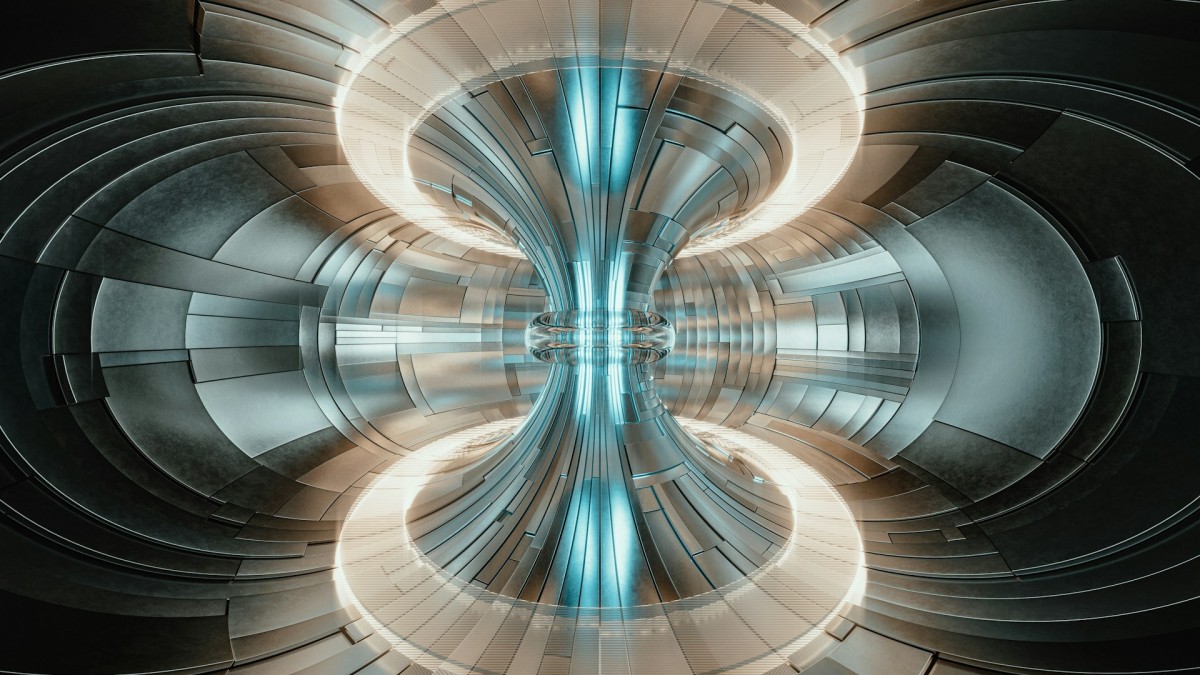
The successful achievement of ignition by China's EAST reactor could significantly accelerate the global transition to clean energy, potentially reshaping geopolitical alliances and economic power through energy dominance, while also intensifying the technological race between China and the United States.
China is reportedly on track to achieve a significant milestone in nuclear fusion research by 2027 with its Experimental Advanced Superconducting Tokamak (EAST) reactor. The goal is to sustain plasma without external heating, a critical step toward enabling commercial fusion energy and potentially positioning China ahead in the global race for clean power.
Nuclear fusion, the process powering the sun, offers a potent, clean energy source with no hazardous radioactive waste. As global energy demand rises, particularly with the growth of artificial intelligence, fusion's potential for near-infinite, emission-free energy has garnered significant attention. However, achieving stable and replicable fusion reactions requires heating plasma to temperatures exceeding 150 million degrees Celsius and sustaining it without continuous energy input, a state known as ignition.
While the U.S. National Ignition Facility has previously achieved ignition, it is an experimental facility not designed for energy production. EAST's potential achievement of ignition in a reactor setting would mark a substantial advancement for global fusion efforts and China's energy dominance. The U.S. and China are engaged in a competitive pursuit of fusion breakthroughs, with differing approaches: China employs a top-down, government-funded strategy, while the U.S. fosters innovation through private companies.
Experts suggest the U.S. currently maintains an edge in cutting-edge fusion research, with companies like Commonwealth Fusion Systems aiming to achieve net energy by 2027, the same year as EAST's target. Furthermore, China's leading plasma-physics lab, the Burning Plasma Experimental Superconducting Tokamak (BEST), is expected to be the first reactor to successfully generate electricity from fusion. China's commitment to fusion as a national priority, identified as a key 'frontier technology' in its five-year plan, indicates continued investment, though meeting these ambitious goals remains to be seen.
Pick the topics you care about. Get only what matters, on your cadence.