Key facts
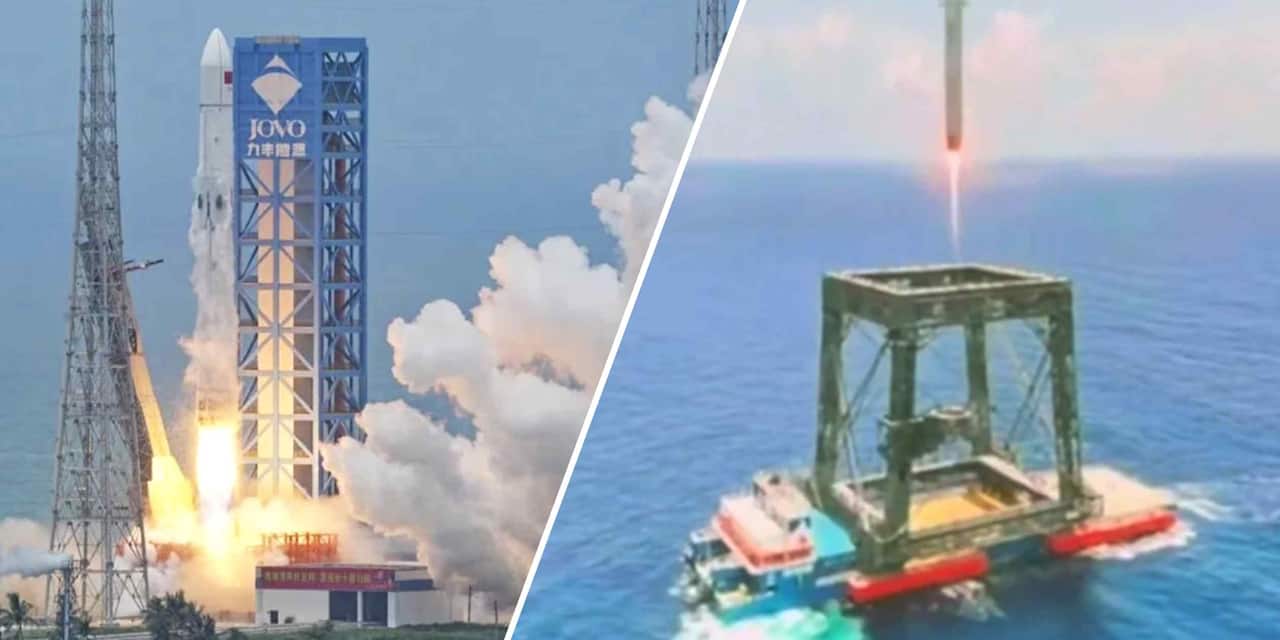
- China Aerospace Science and Technology Corporation (CASC) successfully landed the first stage of its Long March-10B rocket.
- This marks China's first successful recovery of a reusable orbital rocket booster.
- The recovery utilized a net-based system deployed from a recovery ship.
- The technology aims to reduce space launch costs and compete with SpaceX and Blue Origin.
- The Long March-10B has a payload capacity of up to 16,000 kilograms to low Earth orbit.
China has successfully recovered the first stage of its Long March-10B rocket, a significant achievement for its space program. The state-owned China Aerospace Science and Technology Corporation (CASC) announced the successful landing of the booster stage, which separated after liftoff and returned to a platform in the sea. This marks China's first successful recovery of a reusable orbital rocket booster, a technology pioneered by US companies like SpaceX and Blue Origin to reduce launch costs.
The Long March-10B rocket, launched from Hainan Island, has a payload capacity of up to 16,000 kilograms to low Earth orbit. The successful recovery demonstrates China's intent to compete in the reusable rocket market. SpaceX has conducted hundreds of successful booster landings since 2015, while Blue Origin has also recovered its boosters. Japan is reportedly planning a similar launch and landing attempt.