Key facts
- China's Ministry of State Security said no nation can achieve absolute security at the expense of others, in a November 20 commentary.
- The ministry framed China's security philosophy as a theoretical evolution of Marxism and a response to geopolitical instability.
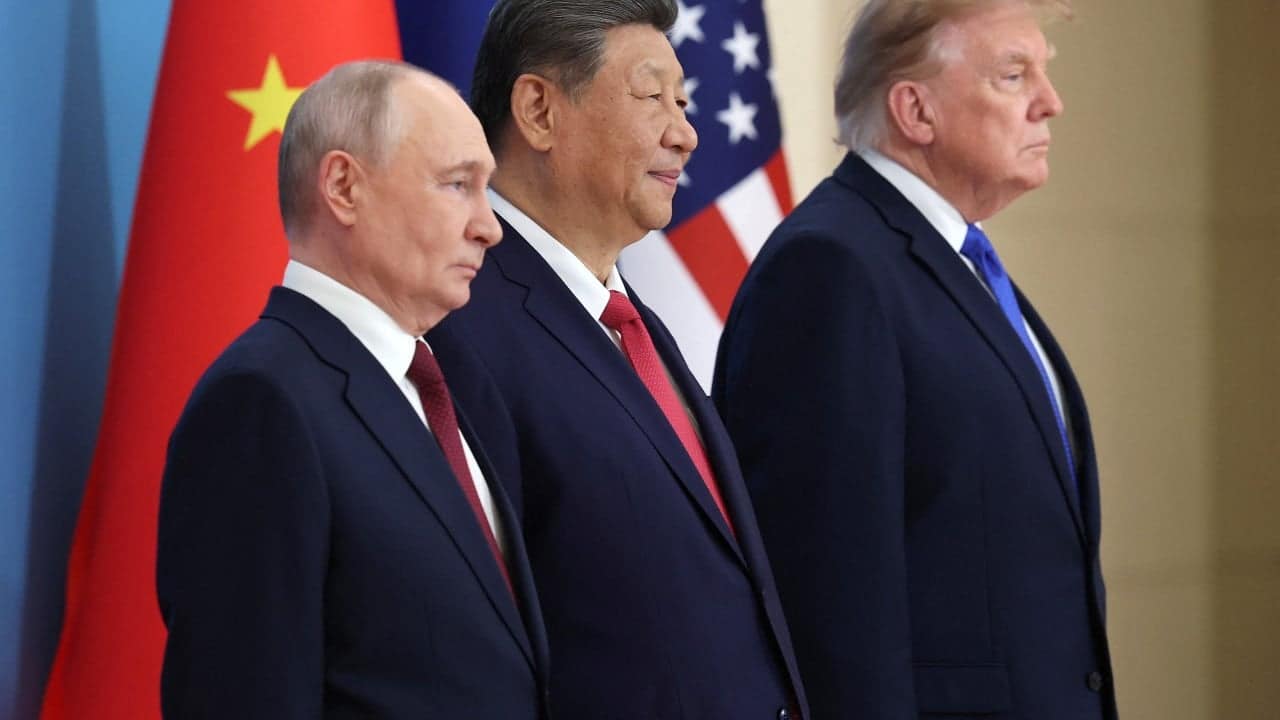
- Xi Jinping chaired the Shenzhen summit with Vladimir Putin and Donald Trump on November 19, per the government account.
- The three countries released the China-Russia-U.S. Heads of State Declaration toward Peace after the summit, per the government account.
China's Ministry of State Security said no nation can achieve "absolute security" at the expense of others, in a commentary published on its official social account on November 20, 2026. The ministry framed China's security philosophy as both a theoretical evolution of Marxism and "an urgent response to mounting geopolitical instability."
The commentary followed a China-Russia-U.S. summit in Shenzhen on November 19, which Chinese state media described as the first face-to-face meeting of the three countries' heads of state. Chinese President Xi Jinping chaired the meeting with Russian President Vladimir Putin and US President Donald Trump.
According to the Chinese government account, the three countries released the China-Russia-U.S. Heads of State Declaration toward Peace after the summit, covering UN reform, energy security, the jurisdiction of the International Criminal Court and nuclear risk reduction. Xi said peace among major countries brings stability to the world.
The primary report did not detail further contents of the ministry's commentary.