Key facts
- China Communications Construction Company (CCCC) has exited the Anaklia Deep Sea Port project in Georgia.
China has withdrawn from Georgia's Anaklia Deep Sea Port project, ending speculation about Beijing's involvement. The Georgian government now plans to develop the strategically important port itself under a "landlord" model, aiming to attract multiple international partners.
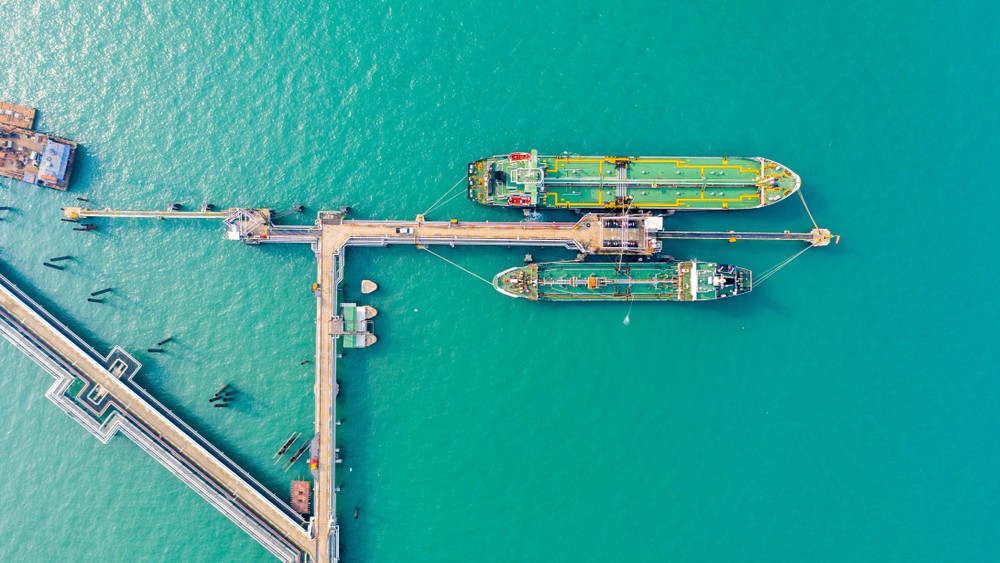
China's withdrawal from the Anaklia port project signals a shift in geopolitical alignments in the Caucasus and Central Asia, potentially impacting the development of the Middle Corridor trade route and Georgia's international relations.
China has withdrawn from the Anaklia Deep Sea Port project in Georgia, a significant infrastructure initiative in the Caucasus region. The Georgian government announced that it would now develop the port itself under a "landlord" model, where the state retains ownership of core infrastructure while potentially partnering with multiple international entities. This move effectively ends speculation surrounding Beijing's involvement after reports surfaced that the Chinese consortium, which had acquired a 49% stake earlier in 2024, was no longer participating.
Georgian Economy Minister Mariam Kvrivishvili stated that the "landlord" model would allow the state to attract various partners, ensuring the port's maximum efficiency and safeguarding its strategic importance. She emphasized the growing significance of the Middle Corridor, a trade route connecting Asia and Europe that bypasses Russia, positioning Anaklia as a key international infrastructure project. The government aims to have the first phase of the port operational by 2029, though no specific partners have yet been confirmed.
The Anaklia project has a history of geopolitical contention. Initially launched in 2016 by a Georgian and US consortium, the contract was canceled by the Georgian Dream government in 2020. The subsequent re-awarding of a contract to a Chinese consortium in mid-2024 was seen as a geopolitical pivot. Critics suggest Georgia's current decision to pursue full state ownership is a strategic maneuver to secure a role in the Middle Corridor while attempting to mend relations with Western partners alienated by the government's perceived authoritarian drift.
Pick the topics you care about. Get only what matters, on your cadence.