Key facts
- States can now order this season's COVID-19 vaccines for children.
- Ordering was delayed for nearly a month after FDA approval of the vaccines.
- Health officials have not provided a clear explanation for the delay.
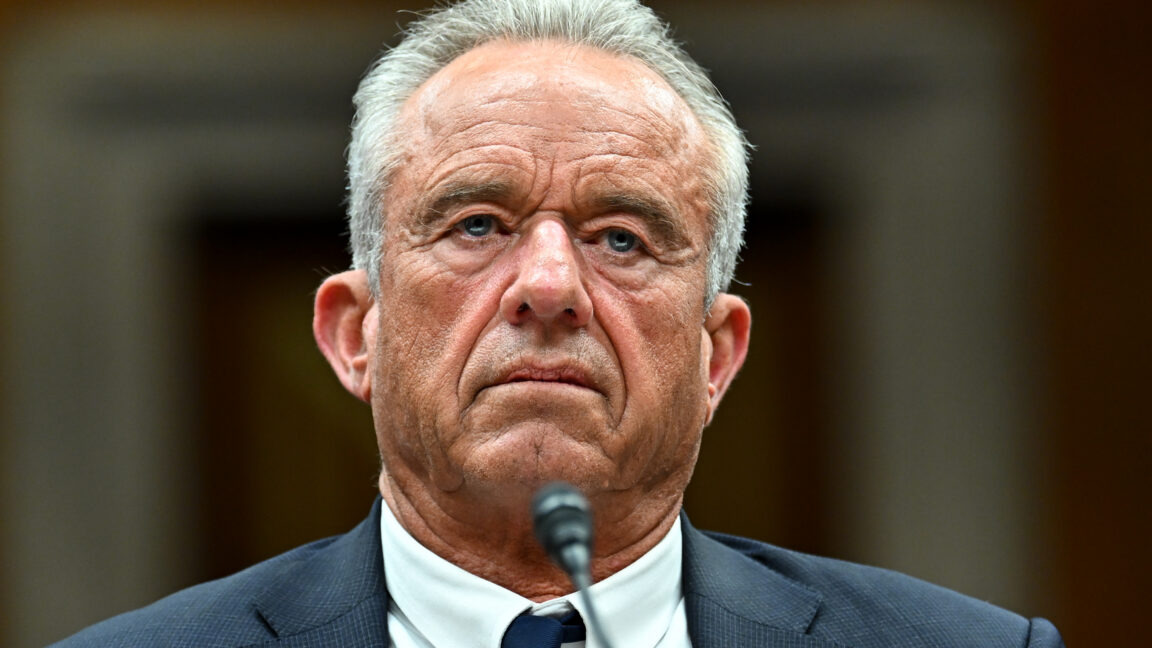
- The delay has raised concerns about potential interference from Health Secretary Robert F. Kennedy Jr.
- The CDC's current recommendations for COVID-19 vaccines are from July 2025.
After an unexplained delay of nearly a month, states are now able to order this season's COVID-19 vaccines through a federal program that provides free immunizations to low-income children, the US health department said. The Centers for Disease Control and Prevention (CDC) had not opened ordering for the 2026-2027 COVID-19 vaccines as of Wednesday, despite the vaccines having been approved by the Food and Drug Administration (FDA) in late August. The Department of Health and Human Services (HHS) initially told Ars Technica that the CDC had "not yet finalized procurement decisions" for the shots and suggested that Trump officials were questioning whether children should receive them, citing a commitment to "responsible stewardship of taxpayer resources." However, The Washington Post reported late Wednesday that ordering was opening, with an unnamed source indicating that a delay in finalizing the CDC’s clinical guidance, which required external expert review, was part of the reason for the hold-up. The Post also reported that CDC career officials had completed preparations, and only needed leadership approval to open ordering. A spokesperson for the Minnesota Department of Health suggested to the Post that CDC leadership approval was necessary before distribution could begin. In response to questions on Thursday, HHS did not explain the cause of the delay or how it was resolved but confirmed that ordering for COVID-19 vaccines is now open. Health Secretary Robert F. Kennedy Jr. has a history of opposing COVID-19 vaccines, having falsely called them the "deadliest vaccine[s] ever made" and previously petitioning the FDA to withdraw their approval. Last year, he revoked the CDC’s universal recommendations for the vaccines, though a federal judge's order in March reinstated the July 2025 recommendations. These recommendations advise vaccination for immunocompromised children aged 6 months to 17 years, and shared clinical decision-making for healthy children in that age group. The newly approved CDC clinical guidance states that due to legal uncertainties, the recommendations from July 2025 remain in effect for the 2026-2027 respiratory illness season. This differs from leading medical groups, whose recommendations for this year's fall vaccines suggest vaccination for all infants 6 months to 23 months old, and for children aged 2 to 18 years if they are at higher risk or desire vaccination.