Key facts
- U.S. restrictions were placed on Anthropic's advanced AI models, Fable 5 and Mythos 5.
- Canadian Prime Minister Mark Carney cited these restrictions as evidence of the risks of overdependence on a few U.S. AI providers.
- Anthropic complied with a U.S. directive to disable the models for foreign nationals.
- Carney advocated for diversification in AI development and access.
- Decentralized AI projects saw market cap increases following the Anthropic model ban.
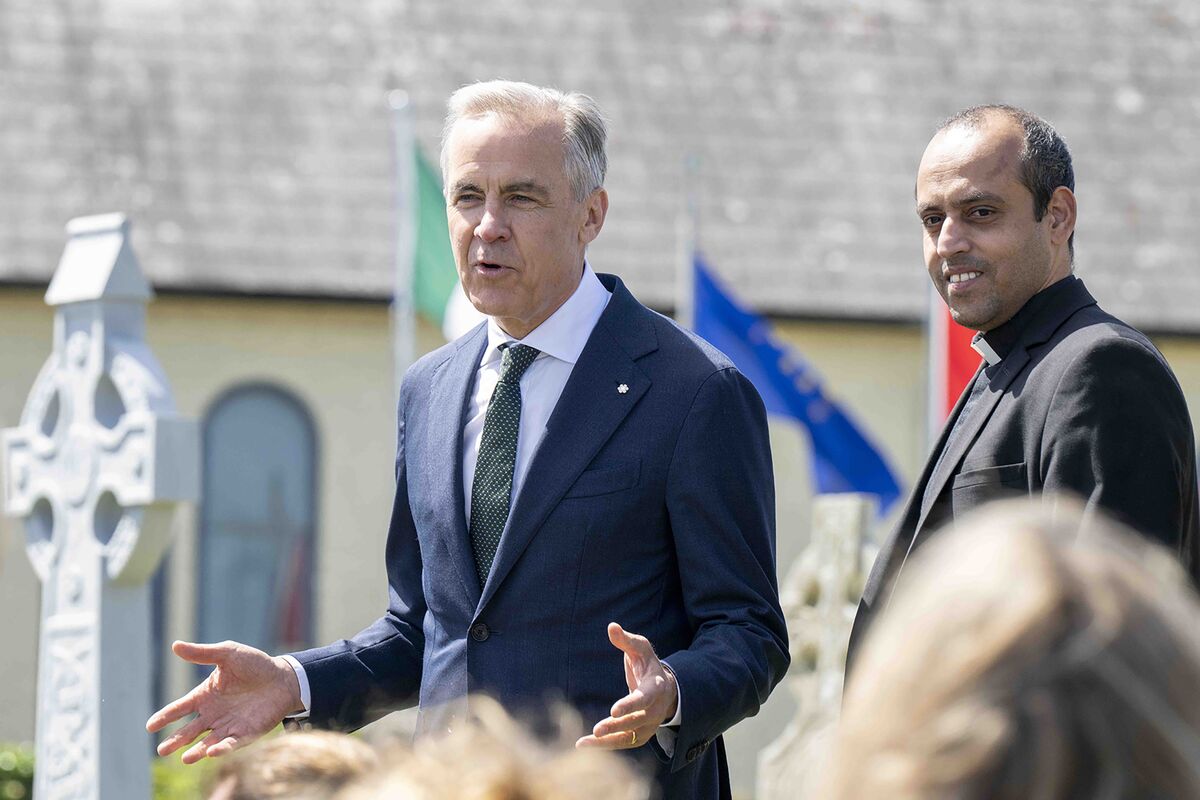
Canadian Prime Minister Mark Carney has warned that U.S. restrictions on advanced AI models highlight the risks of overreliance on a limited number of American providers. A directive from Washington forced AI company Anthropic to disable its Fable 5 and Mythos 5 models for all users worldwide, citing national security grounds and suspicions of a China-linked group accessing the systems.
Carney stated that while no party acted improperly, the situation serves as a lesson to diversify AI development and access, emphasizing that having only one option is never ideal. He noted that centralized AI presents a single point of failure, where a government order can cut off users globally. The Prime Minister made these remarks in Ireland ahead of the G7 summit in France, where artificial intelligence is expected to be a significant discussion topic.
Anthropic complied with the order but disputed the basis, arguing the cited vulnerabilities are replicable on public models. The U.S. government's move underscores concerns about strategic vulnerabilities in AI. Projects associated with decentralized AI saw a rally following the ban, with the sector's market cap increasing significantly. However, experts caution that while decentralization removes a single 'kill switch,' the reliance on a few chipmakers for compute power persists, potentially shifting the chokepoint rather than eliminating the risk.