Key facts
- The Cabinet approved a revision to the Criminal Procedure Act, removing prosecutors' direct investigative powers.
- Investigative authority will now reside solely with the police.
- Prosecutors can request the police to conduct supplementary investigations, which must be completed within two months.
- President Lee Jae Myung defended the revision as "the beginning of judicial normalization."
- The opposition People Power Party (PPP) boycotted the vote and called for a presidential veto.
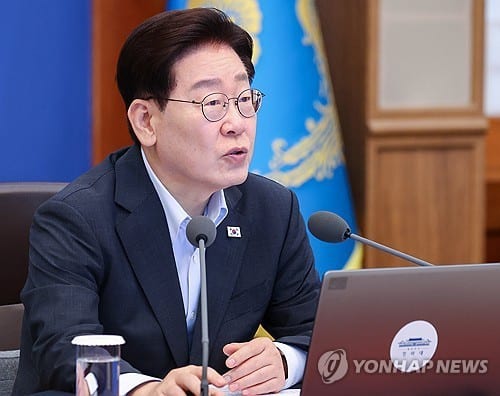
The South Korean Cabinet has approved a significant legal revision that strips prosecutors of their direct investigative authority, transferring these powers exclusively to the police. President Lee Jae Myung, who presided over the Cabinet meeting, lauded the change as "the beginning of judicial normalization" and "the starting point for normalizing the abnormal criminal justice system." The revision to the Criminal Procedure Act, which passed the National Assembly last week with a boycott from the main opposition People Power Party (PPP), limits prosecutors to indicting and requesting supplementary investigations, which the police will then be tasked with completing within a two-month timeframe.
Despite calls from the PPP to veto the bill, President Lee argued that the revision does not pose a risk to the constitutional order or the separation of powers. He asserted that prosecutors have historically wielded "excessive" authority, sometimes leading to abuses of power. However, Lee also acknowledged potential unintended consequences of shifting investigative powers solely to the police and instructed officials to develop complementary systems to ensure transparency and capability in police investigations. He emphasized that prosecutors should focus on their role as defenders of public interest and human rights, while the police must enhance their internal integrity and victim protection measures.
In addition to the legal reform, President Lee also addressed the ongoing severe heat wave affecting South Korea. He declared the situation a state disaster and urged utmost efforts to protect citizens' lives, particularly focusing on vulnerable populations and outdoor workers. Measures to ensure workers' rights to suspend work due to excessive heat and to expand access to cooling centers were also ordered.