Key facts
- Brazil's Supreme Court is experiencing an internal conflict between justices Alexandre de Moraes and André Mendonça.
- The dispute involves allegations of improper contact between de Moraes and Daniel Vorcaro, owner of the collapsed Banco Master.
- Mendonça revealed intercepted messages suggesting de Moraes' involvement, while de Moraes seeks an investigation into Mendonça's actions.
- The crisis comes amid political tensions and ahead of upcoming elections, with calls for de Moraes' resignation.
- Chief Justice Luiz Edson Fachin is to seek clarifications and ensure legal proceedings are followed.
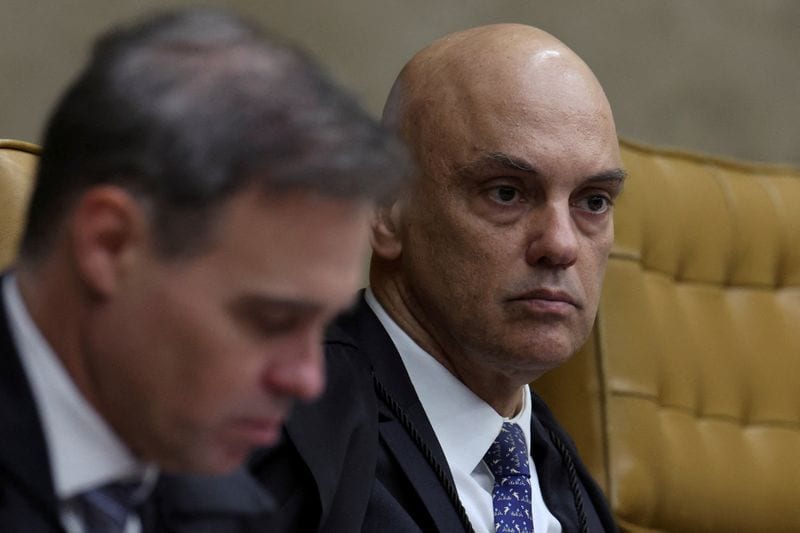
Brazil's Supreme Court is facing a significant institutional crisis as two prominent justices, Alexandre de Moraes and André Mendonça, are at odds over investigations into the collapsed Banco Master and alleged misconduct.
The conflict escalated after Mendonça revealed intercepted messages from Daniel Vorcaro, the disgraced owner of Banco Master, indicating frequent consultations with de Moraes. Federal police also found that de Moraes' wife had provided legal services to the bank under a substantial contract.
In response, de Moraes has requested that Chief Justice Luiz Edson Fachin investigate Mendonça's conduct, labeling it politically motivated and an impeachable offense. Mendonça, in turn, has asked Fachin to suspend de Moraes, citing the revelations about his alleged improper contact with Vorcaro. Mendonça had also met privately with Vorcaro, stating he was listening to the banker's concerns.
The controversy has intensified political tensions, particularly with presidential candidate Flávio Bolsonaro, who has also been linked to the Banco Master scandal, calling for de Moraes' resignation. The crisis unfolds as Brazil approaches its general elections.
Chief Justice Fachin has stated that he will seek clarifications from all involved parties, including Attorney General Paulo Gonet and federal police director Andrei Rodrigues, and will ensure that legal processes are followed without exception. He emphasized the need to preserve the Republic's institutions during this period of high tension.