Key facts
- Bolivia's Legislative Assembly approved President Rodrigo Paz's state of emergency decree.
- The decree aims to resolve a 50-day social crisis marked by highway blockades.
- Roadblocks have been suspended across much of the country, though some persist in the Chapare region.
- Six people, including Bolivian Air Force officers, died in a patrol plane crash while monitoring a blockaded highway.
- The government accuses former President Evo Morales of instigating and financing the demonstrations.
- Business groups estimate losses from the crisis at over $2 billion.
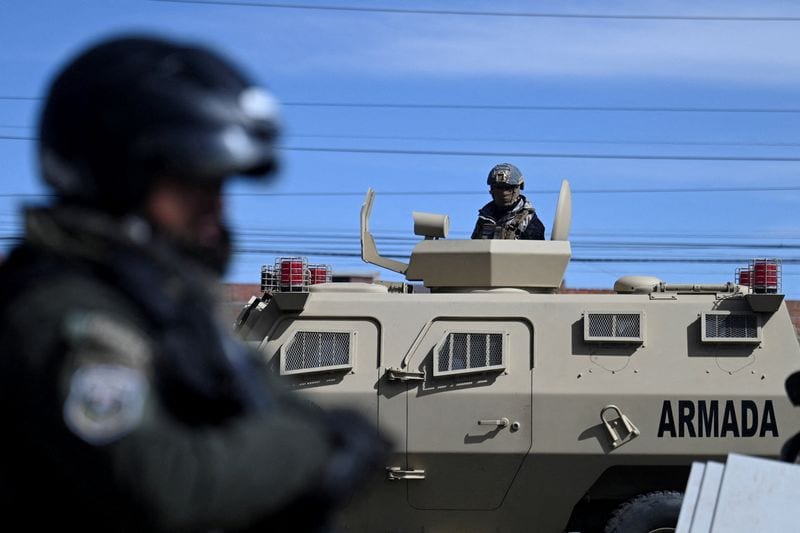
Bolivia began to show signs of returning to normalcy as anti-government roadblocks were being cleared following the approval of President Rodrigo Paz's state of emergency decree. The decree aims to resolve a 50-day social crisis that had led to widespread highway blockades, disrupting transit and the supply of essential goods.
The Legislative Assembly overwhelmingly ratified the decree, which seeks to restore order. While blockades have been suspended across much of the country, some continue in the Chapare region, led by coca growers' unions allied with former President Evo Morales. The government accuses Morales of instigating and financing the demonstrations to destabilize the current administration.
Adding to the turmoil, six people, including Bolivian Air Force officers, died in the crash of a light aircraft conducting aerial patrols over a blockaded highway. An investigative board has been activated to determine the cause of the incident.
Business groups estimate the economic losses from the crisis to be over $2 billion, with cities facing shortages of fuel and food. The state of emergency is set to last 90 days but could be lifted earlier if violence ends. Analysts caution that the emergency powers might exacerbate unrest if the underlying causes of the protests are not addressed.