Key facts
- Takata said the BOJ should raise rates to a "good" position early and guard against upside price risks.
- He was the lone dissenter in October, proposing a policy rate of 1.5% against the 1.25% set.
- Takata said producer prices rose 7.1% in October and inflation expectations are above 2%.
- He said Japan's neutral rate may exceed estimates, with the BOJ range at 1.1% to 2.5%.
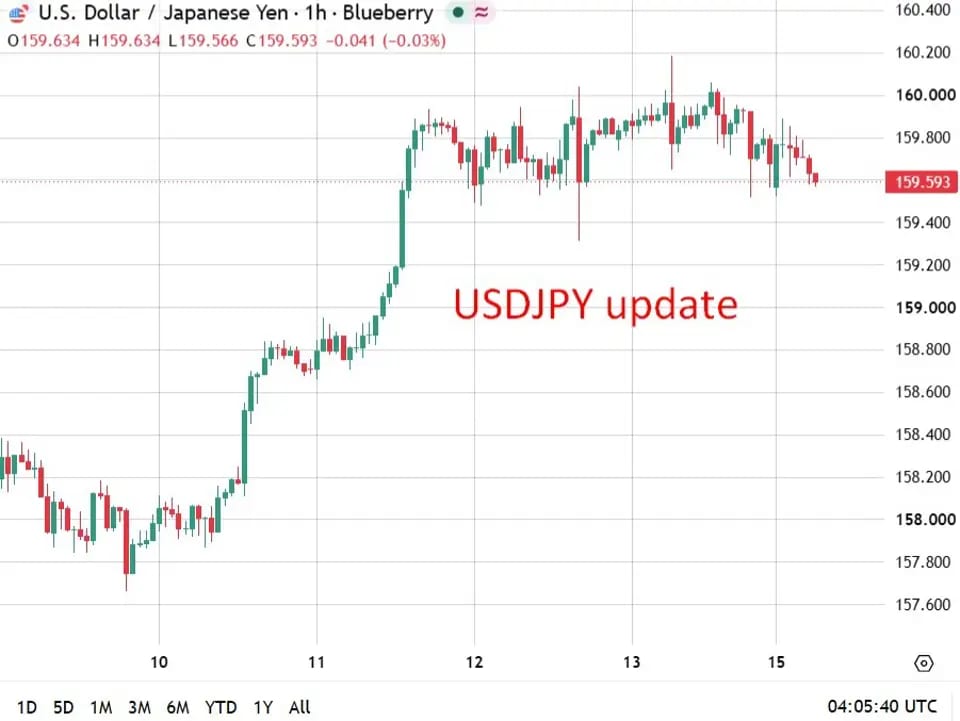
- Takata said Japan's real policy rate is the lowest in the world and raises currency effects.
- He said 2026 marks a regime change and rejected a fixed pace of rate hikes.
Bank of Japan board member Hajime Takata said on Monday that the central bank should raise its policy rate to a "good" position at an early stage and focus on preventing upside price risks, including those from the Middle East conflict. He made the remarks in a speech, according to Reuters.
In the same speech, carried by investinglive.com, Takata said the BOJ should raise rates nimbly rather than on a fixed schedule, after gauging how accommodative domestic financial conditions are and weighing overseas developments. He said 2026 marks a regime change for Japan's monetary policy and that the neutral rate, the policy rate that neither speeds nor slows the economy, may be higher than markets assume.
Takata was the sole dissenter at the October meeting, when he proposed raising the policy rate to 1.5% from 1.25%, the investinglive.com report said. He said underlying inflation had reached the 2% target and medium- to long-term inflation expectations had risen above 2%, raising the risk of second-round price effects. He cited producer price inflation of 7.1% in October and said Middle East energy costs could push consumer prices above target.
He pointed to Japan's real policy rate being the lowest in the world and to currency effects as reasons to act, arguing the BOJ should move early toward the middle of its estimated 1.1% to 2.5% neutral range. He also said the full effect of past hikes is still some way off and cited AI-related demand as a support for activity.