Key facts
- The World Bank placed Sri Lanka in its upper-middle-income category in July 2026, Nikkei Asia reported.
- The World Bank estimated poverty at 16.9% in 2025, up from 11.5% in 2019, per the Daily FT.
- The 2027 Budget projects Rs. 6.18 trillion in revenue and grants against Rs. 7.93 trillion in expenditure, the Daily FT reported.
- Interest payments are estimated at Rs. 2.64 trillion, about 43% of projected government revenue excluding grants, per the Daily FT.
- The government targets growth of at least 7% over the medium term, against the World Bank's 4.2% projection for 2027.
The World Bank moved Sri Lanka into its upper-middle-income category in July 2026, a classification that places the island nation alongside some European and Southeast Asian economies, Nikkei Asia reported on November 15, 2026. The report said millions of Sri Lankans still face diminished purchasing power and rising living costs.
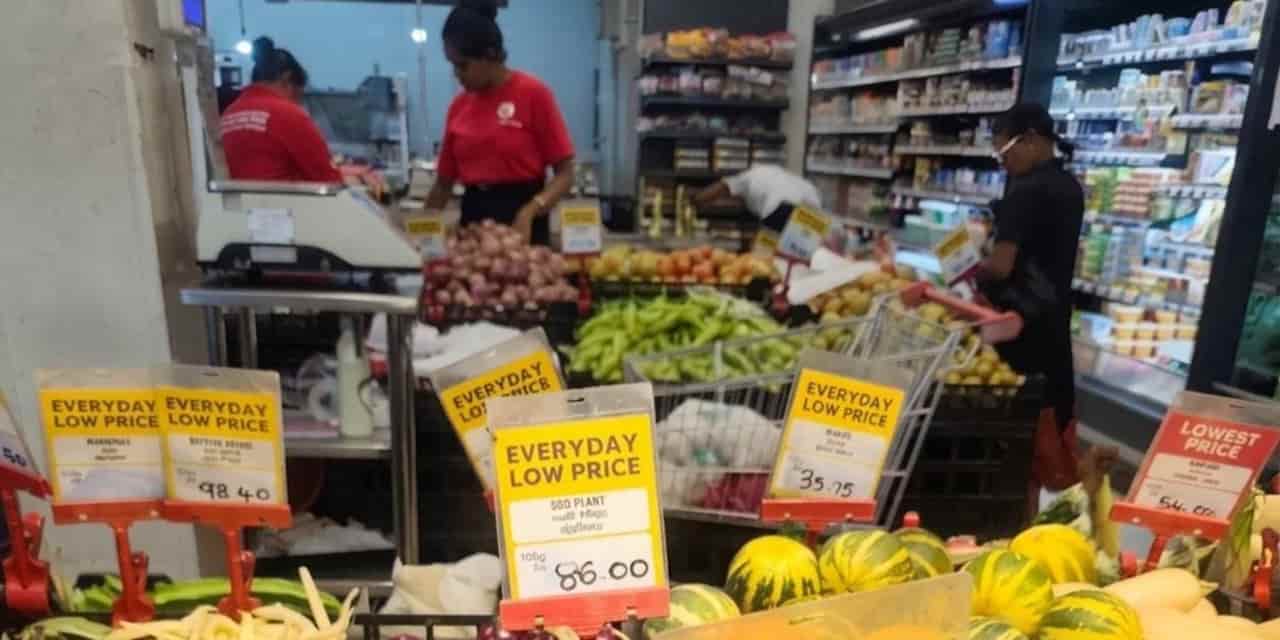
The World Bank's October 2026 Sri Lanka Development Update projected growth of 4.4% for 2026 and 4.2% for 2027, and estimated poverty at 16.9% in 2025 against 11.5% in 2019, according to the Daily FT. The Daily FT also reported that food prices remain more than twice their pre-crisis level and that Colombo inflation rose to 8.3% in October 2026.
President Anura Kumara Dissanayake presented the 2027 Budget to Parliament, the Daily FT reported. The budget projects Rs. 6.18 trillion in revenue and grants against Rs. 7.93 trillion in expenditure including supplementary disaster-related spending, a deficit of about Rs. 1.75 trillion, or 4.5% of GDP. Interest payments alone are estimated at Rs. 2.64 trillion, roughly 43% of projected government revenue excluding grants.
The government targets growth of at least 7% over the medium term, while the World Bank projects 4.2% for 2027, the Daily FT reported. The budget raises the monthly income-tax-free threshold to Rs. 162,500 and provides Rs. 230 billion for social protection allowances including Aswesuma, measures the Daily FT said would help few low-income earners who pay no personal income tax.