Key facts
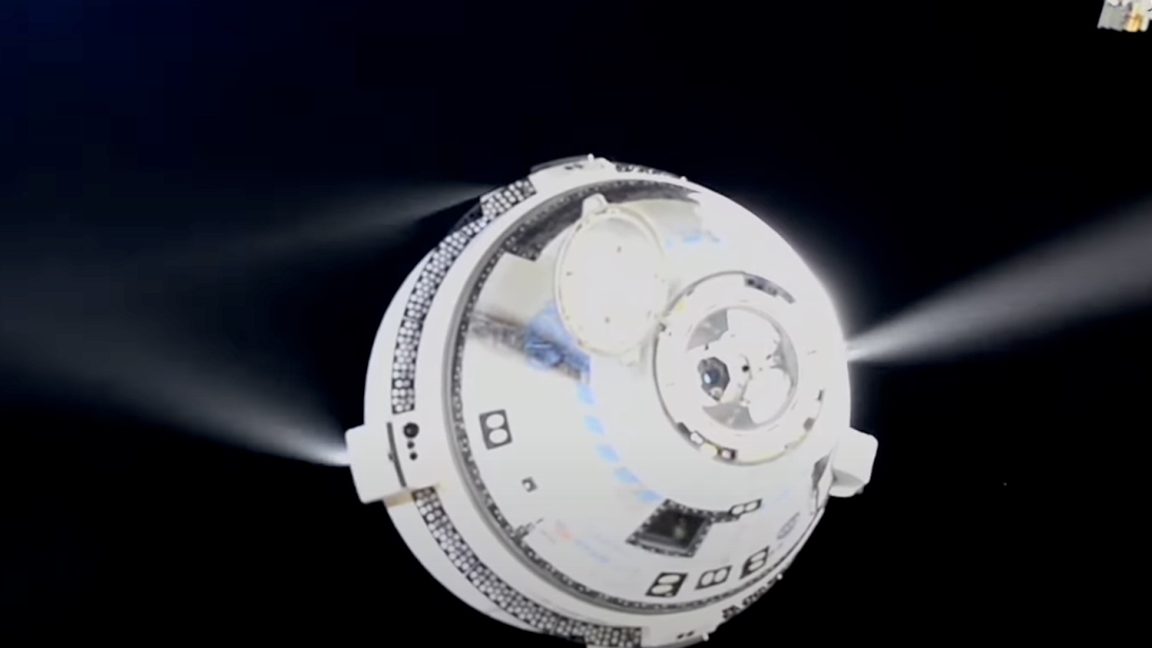
- Boeing's Starliner is expected to be the sole US provider of astronaut transportation to low-Earth orbit.
- NASA is considering extending the International Space Station's operational life to 2032.
- SpaceX's Dragon spacecraft is likely to retire by or before 2030.
- Boeing's Starliner is nearing readiness for crewed missions.
- NASA and Boeing have agreed on a price of approximately $90 million per seat for upcoming Starliner missions.
- Boeing aims to be the preferred transportation supplier for commercial LEO destinations.
NASA is preparing to rely solely on Boeing's Starliner spacecraft for astronaut transportation to low-Earth orbit as SpaceX's Dragon capsule nears retirement, likely by 2030. The decision comes as NASA contemplates extending the International Space Station's (ISS) operational life to 2032 and supports the development of private space stations, known as commercial LEO destinations (CLDs).
While some have suggested a new crew competition, NASA officials indicated that investing billions in new options would be unwise given the significant investment already made in Boeing's Starliner and its near-readiness. NASA's future demand is estimated at two astronaut seats every six to nine months.
Boeing expressed enthusiasm for the opportunity, with John Mulholland, vice president and program manager of Commercial Crew at Boeing, stating the company is "incredibly excited about the partnership with NASA." He added that Boeing aims to continue flying to the ISS and, with Vulcan rocket certification, expand missions beyond the current six. Boeing is also in discussions with CLD providers to become their preferred transportation supplier.
However, Boeing must execute successfully, and cost remains a concern. For Starliner-2 through Starliner-6 missions, a price of approximately $90 million per seat has been agreed upon. Mulholland noted that detailed pricing for the 2030s is pending Vulcan rocket certification and further discussions on pricing.