Key facts
- Berlin's city government has stated it will not pay ransom following a cyberattack.
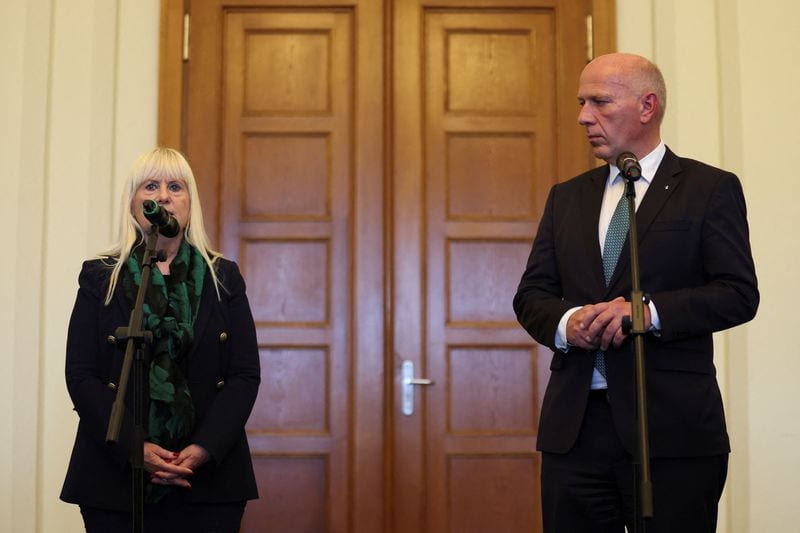
- Mayor Kai Wegner and Interior Senator Iris Spranger issued a joint statement refusing to be extorted.
- Ransom demands were reportedly made after the attack on the state network.
- The full extent of the data breach and the type of compromised data are still under investigation.
- Election infrastructure and data related to the upcoming election have not been affected.
Berlin's city government has declared it will not yield to extortion following a significant cyberattack on its network, with Mayor Kai Wegner stating the state "will not submit to extortion." The announcement comes less than a month before the city-state holds elections on September 20.
In a joint statement with Interior Senator Iris Spranger, Wegner emphasized the government's stance against succumbing to demands. Broadcaster RBB reported that ransom demands were made after the attack, though the specific amount and the nature of the compromised data remain unclear as investigations continue. Wegner indicated at a press conference that the possibility of personal data being affected cannot be ruled out.
Spranger assured that the city's election infrastructure has not been compromised and is secure, according to security officials. The cyberattack is considered the most severe to date for the state of Berlin, with forensic examinations revealing that data exfiltration began as early as August 7. The affected departments, including those for mobility and urban development, were disconnected from the main network on August 14 after the attack was discovered.
