Key facts
- Bangladesh reported 202,000 suspected measles cases and 1,147 deaths since mid-March.
- 94% of reported deaths were among children under five years old.
- Vaccination coverage fell to 90% for the first dose and 86% for the second dose in 2025.
- An emergency vaccination program in April and May reached nearly 20 million children.
- The government launched a new campaign in late September to reach 3.4 million missed children.
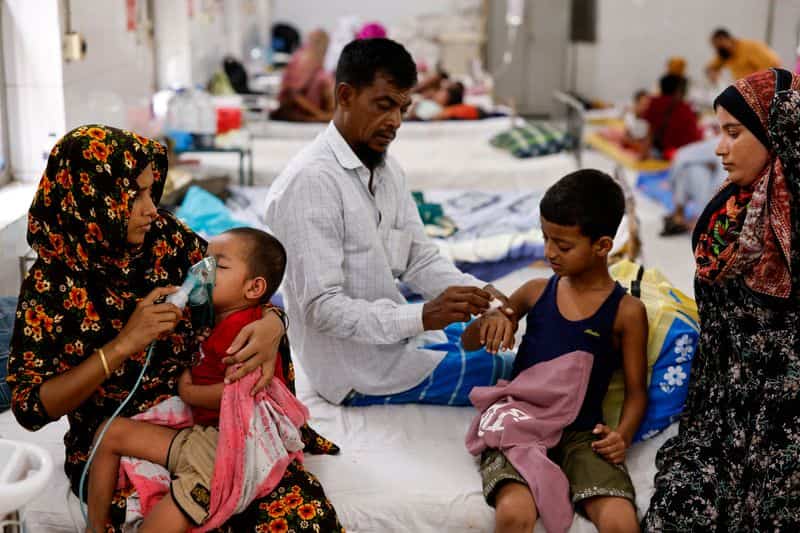
Bangladesh is grappling with the world's most severe measles outbreak, reporting over 202,000 suspected cases and 1,147 deaths since mid-March, according to the World Health Organization. The crisis, which has disproportionately affected children under five, is attributed to a faltering routine vaccination program in 2025, weak data, inadequate outreach, and vaccination gaps. Experts warn this situation serves as a critical warning to other nations about the dangers of declining immunization rates.
While Bangladesh had previously achieved high vaccination coverage, political turmoil in 2025 led to health worker strikes, delayed vaccine orders, and disrupted follow-up vaccinations. This resulted in first-dose coverage dropping to 90% and second-dose coverage to 86%, below the 95% threshold needed for herd immunity. The quality of vaccination data for recent years has also been questioned.
An emergency vaccination program in April and May vaccinated nearly 20 million children, initially slowing the spread. However, shortcomings were identified, including inadequate preparedness checks and a failure to reach millions of children. This has led to a resurgence in cases, with daily averages reaching 1,198 in September. The government launched a new campaign in late September to reach 3.4 million missed children.