Key facts
- President Trump waived sanctions and tariffs under the Lindsey O. Graham Sanctioning Russia and Iran Act.
- The law would have imposed tariffs of up to 100% on countries importing Russian oil or gas.
- The NGO Urgewald identified 134 vessels involved in Russian gas trade since 2022.
- As of Oct. 15, around 1.5 million metric tons of Russian gas were in transit.
- Trump's waiver hollowed out the law's sanctions before they could bite, a campaigner said.
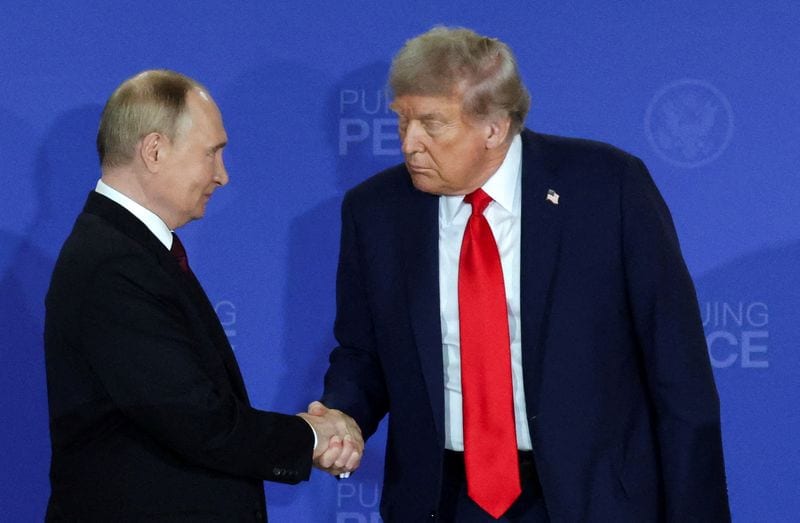
President Donald Trump issued a broad waiver of Russia sanctions and tariffs on Oct. 16, two days before they were set to take effect under the Lindsey O. Graham Sanctioning Russia and Iran Act. The law, championed by the late Senator Graham, would have imposed tariffs of up to 100% on the top five countries buying Russian gas and oil, and sanctioned Russian officials, banks, and the energy sector, including ships involved in the Russian liquefied natural gas (LNG) trade.
Urgewald, an NGO, identified 134 vessels involved in Russian gas trade since 2022, which have carried over 150 million metric tons of cargo. As of Oct. 15, around 1.5 million metric tons more were in transit. Alexander Kirk, a sanctions campaigner at Urgewald, criticized the waiver as a betrayal of bipartisan effort and a lifeline to Russian President Vladimir Putin.
Between the law's signing on Sept. 18 and Oct. 15, 42 tankers transported Russian gas. US lawmakers from both parties had urged the White House to impose sanctions to pressure Moscow. Trump's move follows an earlier announcement of a deal to purchase Russian diesel, a decision criticized by allies and Ukrainian President Volodymyr Zelensky.