Key facts
- Floods and landslides in southeastern Bangladesh have killed at least 44 people.
Torrential monsoon rains and landslides have killed at least 44 people in southeastern Bangladesh, leaving over a million stranded. Authorities are racing to deliver aid to devastated communities, facing challenges from power outages, damaged infrastructure, and landslides in Rohingya refugee camps.
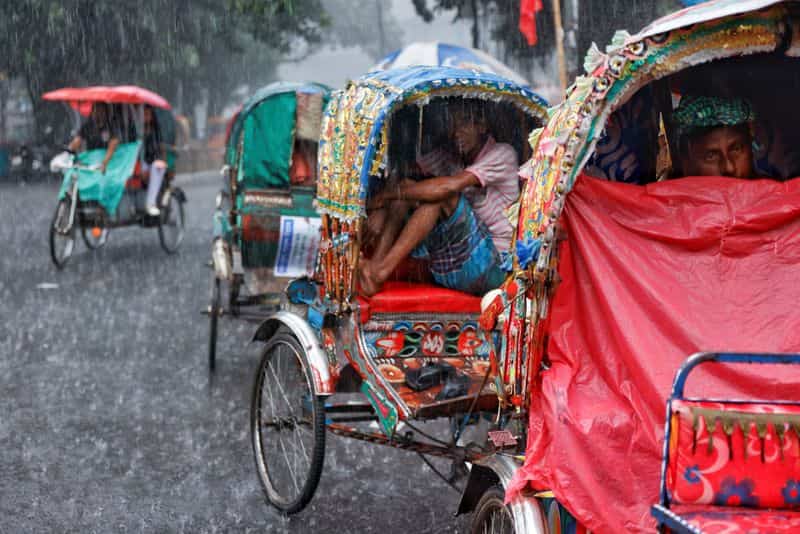
The severe flooding highlights Bangladesh's vulnerability to extreme weather events, exacerbated by climate change, impacting millions of lives and straining disaster response capabilities. The situation also underscores the precarious conditions faced by Rohingya refugees during monsoon season.
Floods and landslides triggered by days of torrential monsoon rain have killed at least 44 people in southeastern Bangladesh, leaving over a million stranded as authorities race to deliver aid to devastated communities.
The disaster management ministry reported that flooding across seven districts has disrupted daily life, isolated thousands of families, and stranded 267,918 households. Power outages, damaged roads, and broken communication links have slowed rescue and relief efforts, with many residents struggling to access food and electricity.
Army and navy personnel are using boats to transport food, drinking water, medicines, and other essential supplies to isolated communities. The government is actively involved in distributing relief and urging affected individuals to move to the nearest shelter.
Earlier in the week, heavy rains also caused landslides in Rohingya refugee camps in Cox’s Bazar, resulting in the deaths of 16 refugees, including women and children. These makeshift shelters on steep hillsides are particularly vulnerable during the monsoon season.
Bangladesh is highly prone to natural disasters, with seasonal monsoons regularly causing floods, river erosion, and landslides. Scientists suggest that climate change is exacerbating extreme rainfall events, leading to increased scale and severity of such disasters.
Pick the topics you care about. Get only what matters, on your cadence.