Key facts
- Typhoon Bavi made landfall in China's Zhejiang province, causing heavy rain and strong winds.
- Over 2.8 million people were evacuated across China, with more than 2.2 million in Zhejiang.
- The storm weakened to a tropical storm but is expected to bring prolonged rainfall to eastern and northern China.
- Taiwan reported 134 injuries from the typhoon.
- Thousands of flights were cancelled in China and Taiwan.
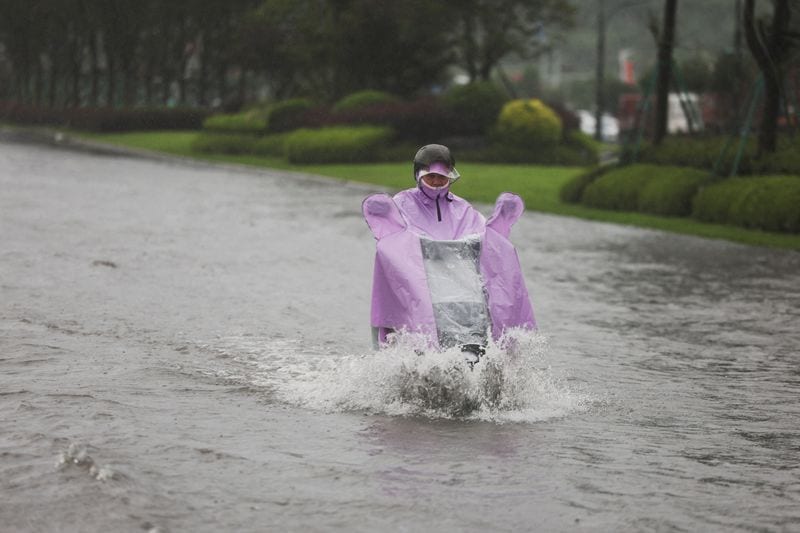
Typhoon Bavi, the most powerful storm to strike mainland China this year, made landfall on Sunday, bringing heavy rain and violent winds to the eastern coast. The storm, which had previously impacted Japan and Taiwan, prompted extensive evacuations, with over 2.8 million people relocated, including more than 2.2 million in Zhejiang province. Although Bavi weakened to a tropical storm after making landfall, forecasters warned of prolonged and widespread rainfall across eastern and northern China in the coming days, exacerbating flood risks in areas already saturated by earlier downpours. Residents described strong winds, falling debris, and unprecedented high water levels. Emergency crews were deployed to clear flooded streets and landslides. Taiwan reported 134 injuries, primarily from falling or being struck by objects, and significant flight cancellations. China's transport networks also faced disruptions, with major train stations and airports cancelling services. Scientists have warned that China could face more extreme weather events due to the potential emergence of the El Nino weather pattern.