Key facts
- South Korean memory-chip makers Samsung Electronics and SK Hynix each fell around 10% on November 25.
- SoftBank Group shares fell as much as 17% to a 52-week low and have lost nearly 70% of their value from their June peak.
- Japan's Kioxia fell 16%, Advantest 15%, and TSMC about 9% on November 25.
- Joe Mazzola of Charles Schwab wrote that one big day does not necessarily make a bottom.
- Huang is scheduled to testify before the US Senate Banking Committee on December 3 about US chip-export controls.
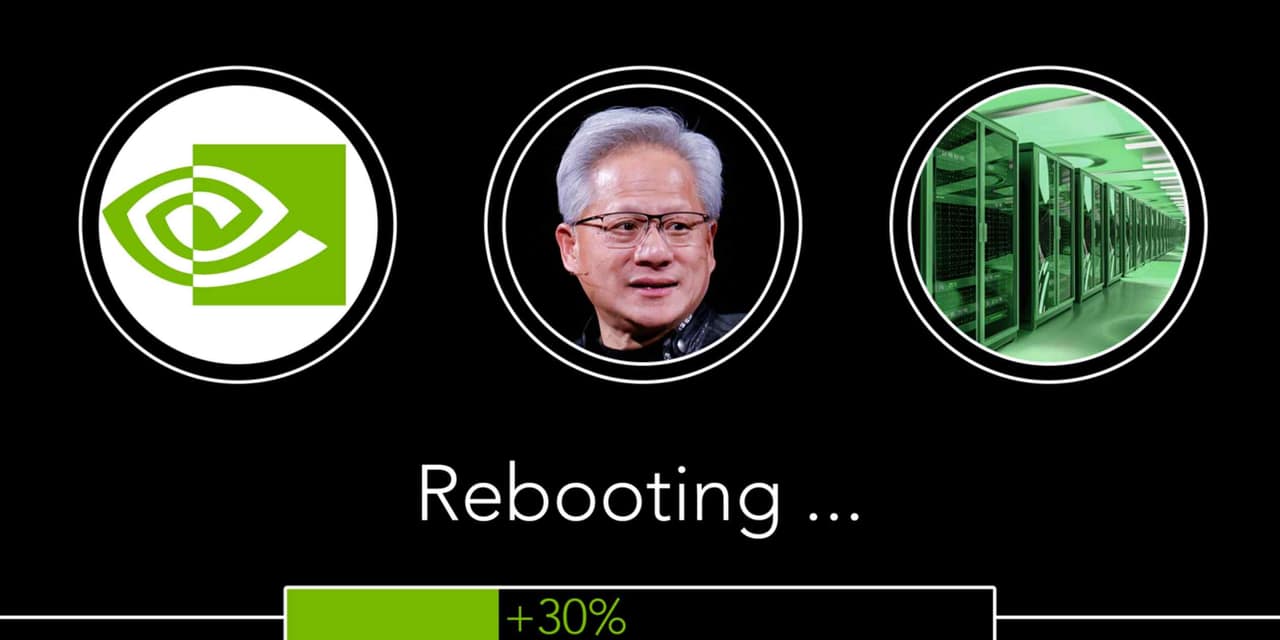
Asian technology stocks fell on November 25, 2026, giving back much of the previous day's gains as the rebound sparked by Jensen Huang's return to Nvidia lost momentum. South Korea's Kospi fell as much as 6%, Taiwan's Taiex as much as 9% and Japan's Nikkei 225 as much as 4%, according to Business Insider.
The selling was sharpest among companies supplying the global AI industry. South Korean memory-chip makers Samsung Electronics and SK Hynix fell around 10% each. In Japan, chipmaker Kioxia fell 16%, chip-testing equipment maker Advantest 15%, while Tokyo Electron and SoftBank Group also recorded steep losses. SoftBank Group fell as much as 17% to a 52-week low and has lost nearly 70% of its value from its June peak. Taiwan Semiconductor Manufacturing Company, Nvidia's key chipmaking partner, fell about 9%.
The reversal followed a day of gains after Huang's reinstatement as Nvidia CEO. Taiwan's benchmark jumped 9% on November 24, with TSMC hitting its daily price limit, while a surge in South Korean stocks briefly triggered a trading curb on automated buy orders. Nvidia fell 6% on November 24 after surging over 30% on November 23, while the Philadelphia Semiconductor Index dropped 8% and the Nasdaq Composite declined 1%.
Joe Mazzola, head trading and derivatives strategist at Charles Schwab, wrote in a November 24 note that there was no obvious new catalyst for the selling and it could reflect profit-taking after Monday's rally. "For the broader market, one big day doesn't necessarily make a bottom, and markets continue to price in a likely Federal Reserve rate hike next month," he wrote.
Investors also face unresolved political risks surrounding AI, including tighter chip-export controls and possible restrictions on data-center development. Huang is scheduled to testify before the US Senate Banking Committee on December 3 about US chip-export controls. Macquarie Group strategists warned that Huang's reinstatement had not removed the political uncertainty surrounding AI.