Key facts
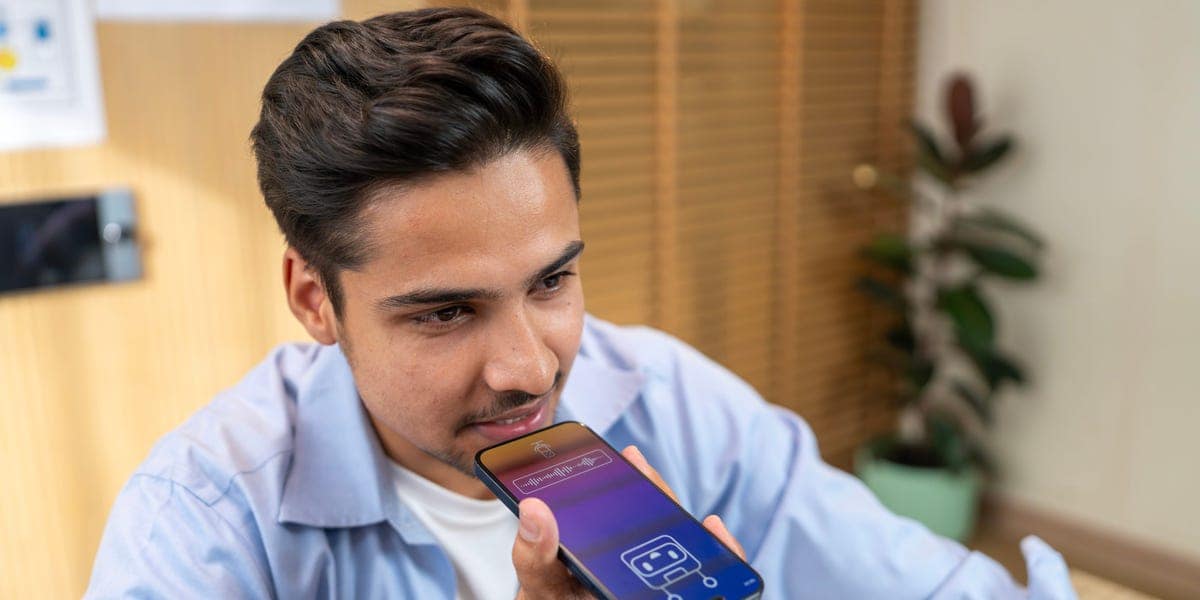
- AI researcher Andrej Karpathy advises users to engage in lengthy, rambling voice prompts with AI chatbots.
- Karpathy suggests this 'stream of consciousness' approach can help large language models (LLMs) better understand user goals.
- The method involves speaking to the AI for approximately 10 minutes, unloading half-formed thoughts.
- Karpathy claims this improves the human-AI connection and minimizes subsequent corrections.
- This advice coincides with advancements in AI voice technology from companies like OpenAI and Anthropic.
Andrej Karpathy, a prominent AI researcher, has proposed a novel method for users seeking better responses from artificial intelligence: simply talk to the AI for an extended period. Karpathy, who coined the term 'vibe-coding,' suggested in a recent social media post that users should engage in a "total mess, anything goes, full stream of consciousness" monologue for about 10 minutes.
Karpathy explained that this approach provides the large language model (LLM) with more 'bits' of information, thereby enhancing its understanding of the user's objectives. He described the process as a way to improve the 'mind meld' between the human and the AI, ultimately leading to fewer necessary corrections. The AI researcher often begins by warning the chatbot about potential jumbled thoughts and typos in his input.
While Karpathy advocates for this verbose interaction style, some users on the platform X have expressed skepticism. His advice emerges at a time when major AI companies are actively developing and promoting voice-enabled AI tools. OpenAI recently introduced GPT-Live, which powers ChatGPT's voice capabilities, and Anthropic has updated its own voice models, offering users choices between its Opus, Sonnet, and Haiku offerings.