Key facts
- Social platforms like YouTube and TikTok are updating policies regarding AI-generated content.
- YouTube aims to differentiate between AI used for creative enhancement and low-effort AI spam.
- TikTok requires creators to label AI-generated content and is testing spam detection systems.
- The updates reflect a tension between embracing AI and preventing the spread of low-quality machine-generated material.
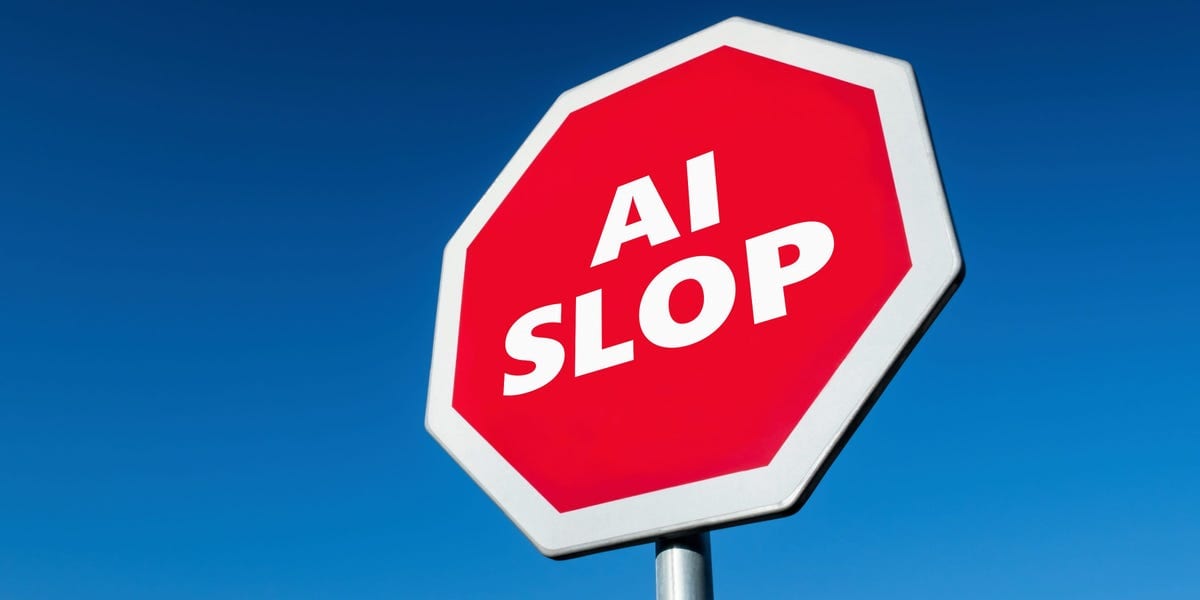
Social media companies are revising their guidelines on AI-generated content, particularly for accounts that are monetized, as they grapple with the influx of machine-created material. YouTube and TikTok are among the platforms updating their policies to distinguish between AI used to enhance original storytelling and content that is mass-produced or designed to exploit the platform.