Key facts
- Amnesty said it independently verified 14 civilian deaths and many more injuries in four shelling incidents in Alamata.
- Amnesty accused the TPLF of endangering civilians in the September battle by placing fighters in residential areas and using schools for military purposes.
- The TPLF gave Amnesty a written response calling the allegations against it unfounded, Amnesty said.
- A Tigray Peace Force spokesperson told Reuters its fighters were not on the front lines during the battle.
- Ethiopian government, ENDF and TPLF spokespeople did not respond to Reuters requests for comment on the Amnesty report.
- Amnesty said the strikes hit homes about 150 metres from the Werknesh Hotel, which some residents said had housed TPLF fighters.
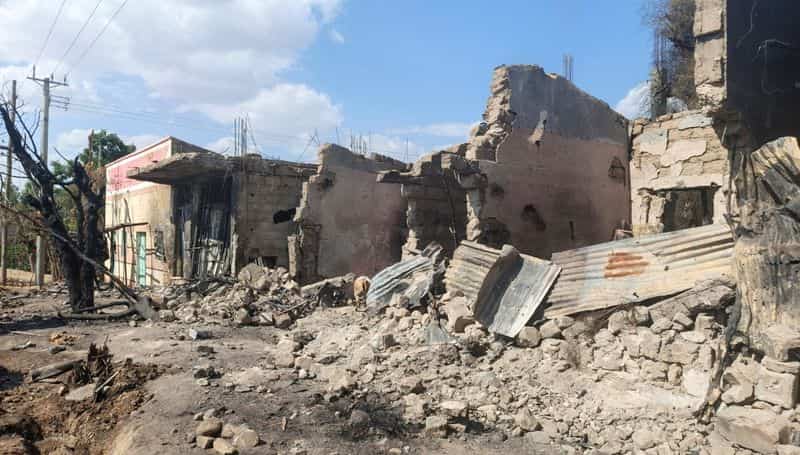
Amnesty International said on November 24, 2026 that artillery strikes by Ethiopian forces and a pro-government militia on densely populated urban areas in the northern Tigray region this year should be investigated as possible war crimes. The human rights group said the Ethiopian National Defence Force and the Tigray Peace Force shelled residential areas of Alamata, in southern Tigray, while advancing on the town.
"For three consecutive days, the ENDF and TPF repeatedly shelled Alamata in total disregard of the lives of its 80,000 inhabitants," Yasmine Ahmed, Amnesty's senior director for regional human rights impact, said. Amnesty said it based the report on interviews with survivors and witnesses and on videos, satellite imagery and other open-source material.
Amnesty said it had independently verified the deaths of 14 civilians and many more injuries in four shelling incidents. One of the deadliest struck five houses in the Kebele 04 residential area on September 27, killing seven people, including a mother, her young son and her brother. Amnesty said the strikes hit homes about 150 metres (490 feet) from the Werknesh Hotel; some residents said the hotel had housed TPLF fighters, though Amnesty said it could not verify whether they were there at the time of the attack. Amnesty said the presence of TPLF fighters nearby could not justify the indiscriminate use of explosive weapons in a densely populated area.
Amnesty also accused the rebel Tigray People's Liberation Front of endangering civilians during the September battle for Alamata by placing fighters in residential areas and using local schools for military purposes. Amnesty said the TPLF provided it with a written response that said the allegations against the group were unfounded. A spokesperson for the Tigray Peace Force told Reuters that the group's fighters were not on the front lines during the battle. Spokespeople for the Ethiopian government, the ENDF and the TPLF did not respond to Reuters requests for comment on the Amnesty report.