Key facts
- The Antalya AI Pledge drew 90 endorsements at launch, including nine countries and Alibaba.
- Meta, Microsoft, Google and Nvidia did not respond to requests for comment on the pledge.
- Amazon declined to comment and cited a target to cut electricity carbon intensity 65% by 2030.
- South Korea signed, but the other government signatories represented small countries.
- The ITU said it would keep the pledge open to signatures until COP32 at the end of 2027.
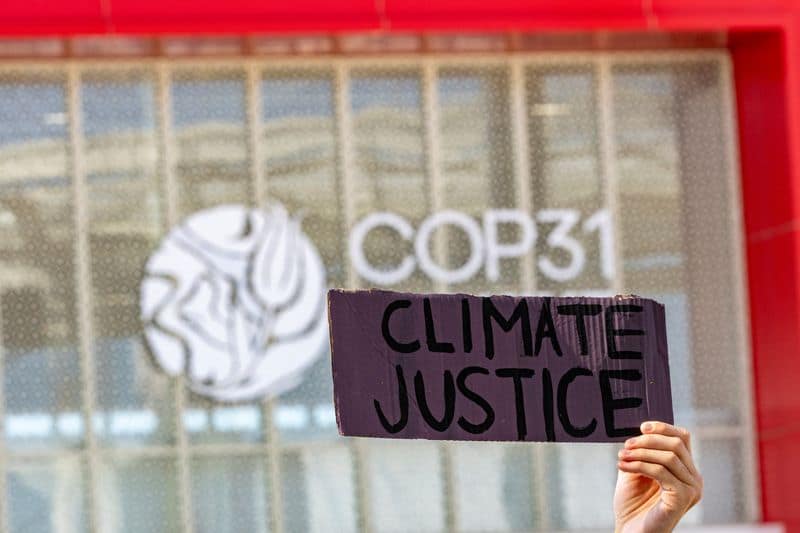
Turkey launched the Antalya AI Pledge on Monday at the COP31 climate talks it hosts, calling on governments and companies to take voluntary measures to power artificial intelligence with cleaner energy. The pledge, publicized for weeks before the summit on Turkey's Mediterranean coast, drew 90 endorsements at launch, including nine countries and Chinese e-commerce and technology company Alibaba, according to Reuters.
Alibaba is the only large technology company to have signed so far. Meta, Microsoft, Google and chipmaker Nvidia did not respond to requests for comment, Reuters reported. Amazon declined to comment on the pledge but said it had a new target to reduce the carbon intensity of its electricity consumption by 65% by 2030 from a 2019 baseline, and restated a commitment to net-zero carbon emissions by 2040.
South Korea, a large user of AI, was among the countries that signed, but the other government signatories represented small countries. The United States has stayed away from the UN climate talks for a second year in succession after President Donald Trump withdrew from the UN climate process. Trump has championed expansion of AI and continued use of fossil fuel.
A report released on Monday found that the more than 400 hyperscale data centers in the United States emit roughly as much carbon dioxide as Denmark. The report did not name the authors of that comparison.
The UN's International Telecommunication Union said it is engaging with major technology companies as part of its outreach and would keep the pledge open to signatures until COP32 at the end of 2027. Julie Cerqueira, chief program officer at the Natural Resources Defense Council, said voluntary standards alone are not enough.