Key facts
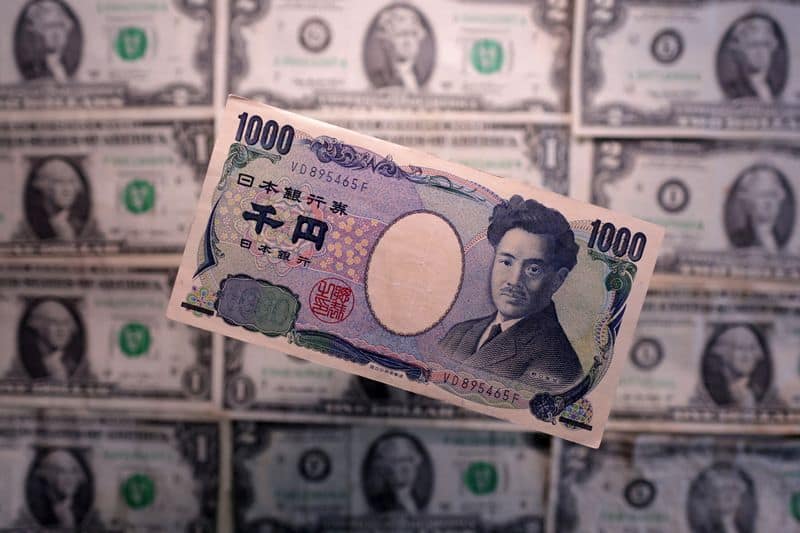
- The yen is near a 40-year low against the dollar.
- U.S. inflation hit 4%.
- Federal Reserve officials offered mixed policy signals.
- Asian shares fell, weighed down by tech stocks and Apple's price hikes.
- South Korea will move to a 24-hour trading cycle for its currency from July 6.
- The move aims for South Korea to achieve developed market status.
- Dealers are concerned about liquidity and price volatility with the 24-hour trading.
- Reforms include offshore settlement and permits for foreign investors.
- U.S. first-quarter GDP was revised up to a 2.1% annualized rate.
- Consumer spending growth in the U.S. was significantly downgraded.
- Revisions in services outlays contributed to the consumer spending downgrade.
The Japanese yen is trading near a 40-year low against the U.S. dollar, influenced by U.S. inflation data that met expectations and mixed signals from Federal Reserve officials regarding monetary policy. This economic backdrop has contributed to a decline in Asian shares, with technology stocks and Apple's price adjustments being notable drags on the market.
In a separate development, South Korea is set to implement a 24-hour trading cycle for its currency, the won, beginning July 6. This initiative is part of a broader effort to elevate the country's financial market status to that of a developed nation. However, currency dealers have expressed apprehension regarding potential increases in liquidity risks and price volatility under the new round-the-clock trading system. Preparations include trials of the system by banks and the introduction of reforms such as offshore settlement and permits for foreign investors.
Economically, the U.S. first-quarter Gross Domestic Product (GDP) has been revised upward to an annualized rate of 2.1%. This revision exceeds earlier estimates and market expectations. Despite the positive GDP revision, there is a significant downward adjustment in the growth of consumer spending. The revisions, particularly in services outlays, indicate that consumer spending growth has nearly stalled, presenting a mixed picture of the U.S. economy.