Key facts
- Mexico's central bank maintained its benchmark interest rate at 6.50%.
- Mexico anticipates annual inflation to reach a six-year low in July.
- Brazil's central bank cut its benchmark Selic rate by 25 basis points.
- Brazil's benchmark Selic rate is now 14.00%.
- This is Brazil's fourth consecutive meeting with a rate cut.
- Bank CEOs in Brazil anticipate further monetary easing.
- Brazil's Finance Minister Dario Durigan stated lowering interest rates is a 'big challenge'.
- Analysts lowered Argentina's 2026 growth forecast to 2.7%.
- Analysts reduced Argentina's 2026 inflation outlook to 29.8%.
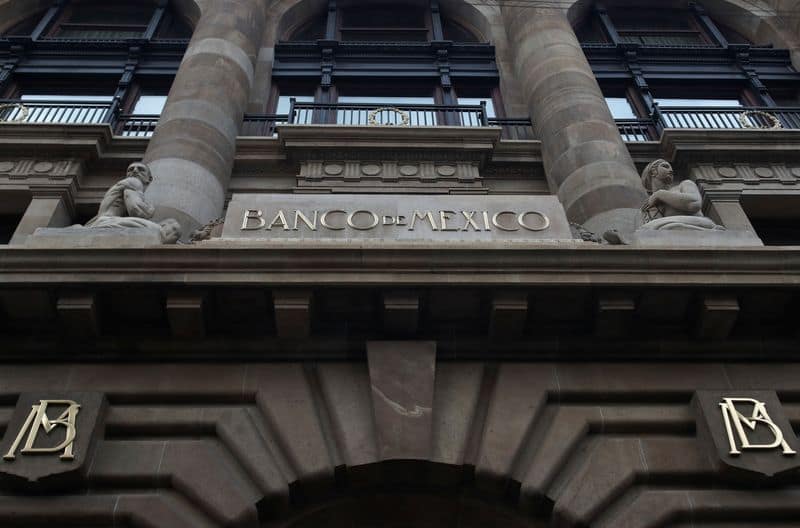
Central banks across Latin America are implementing varied monetary policies amidst evolving economic conditions. Mexico's central bank has decided to maintain its benchmark interest rate at 6.50%, pausing its easing cycle. This decision is supported by projections indicating that annual inflation will reach a six-year low in July, with core inflation also showing a downward trend.
Brazil's central bank, however, has continued its monetary easing, implementing a 25 basis point cut to its benchmark Selic rate, bringing it to 14.00%. This marks the fourth consecutive meeting where the bank has reduced rates. Bank CEOs expressed optimism, anticipating further easing due to the effectiveness of restrictive monetary policy in curbing inflation. Despite these cuts, Brazil's Finance Minister Dario Durigan highlighted that lowering interest rates remains the country's primary challenge. He stated that while public finances are balanced, improvements in fiscal policy are essential to reduce borrowing costs.
In Argentina, economic outlook projections have been adjusted downwards by analysts. A central bank survey indicates that the 2026 economic growth forecast has been lowered to 2.7%. Additionally, inflation expectations for 2026 have been reduced to 29.8%, suggesting a slower pace of economic adjustment than previously anticipated.