Fed's Goolsbee: Inflation moving the wrong way, labor market stable
window 24h
IN SHORT
Central bankers in the U.S., Canada, and India are grappling with inflation trends. In the U.S., Federal Reserve Bank of Chicago President Austan Goolsbee notes inflation is moving in the wrong direction, though the labor market remains stable. Canada's annual inflation hit 3.2% in May, driven by oil and food prices, prompting concern from Bank of Canada Governor Tiff Macklem. Meanwhile, India's inflation is reportedly anchored below the Reserve Bank of India's target, with limited domestic price pass-through despite an energy shock, supported by strong economic fundamentals.
✉Newsletter
PiQ Daily
Pick your topics. Get only what matters, on your cadence.
Key Numbers
3.2%Canada's annual inflation rate in May
29 monthsperiod since Canada's inflation last exceeded target
Who's Involved
Austan Goolsbee
Federal Reserve Bank of Chicago President discussing U.S. inflation
Tiff Macklem
Bank of Canada Governor commenting on Canadian inflation
Reserve Bank of India
Indian central bank reporting on domestic inflation
Bank of Canada
Canadian central bank setting inflation targets
Federal Reserve Bank of Chicago
U.S. regional Federal Reserve bank
1 / 3
Key facts
Federal Reserve Bank of Chicago President Austan Goolsbee states inflation is moving in the wrong direction.
Austan Goolsbee notes the U.S. labor market is stable.
Bank of Canada Governor Tiff Macklem expresses concern about inflation.
Canada's annual inflation rate reached 3.2% in May.
Canada's inflation exceeded the Bank of Canada's target for the first time in 29 months.
Price increases in Canada are concentrated in oil.
Food inflation remains a concern in Canada.
India's inflation is anchored below the Reserve Bank of India's target.
India experienced a recent energy shock.
There has been limited pass-through of energy shock prices to domestic Indian prices.
India's economy has strong fundamentals, including high growth and anchored inflation expectations.
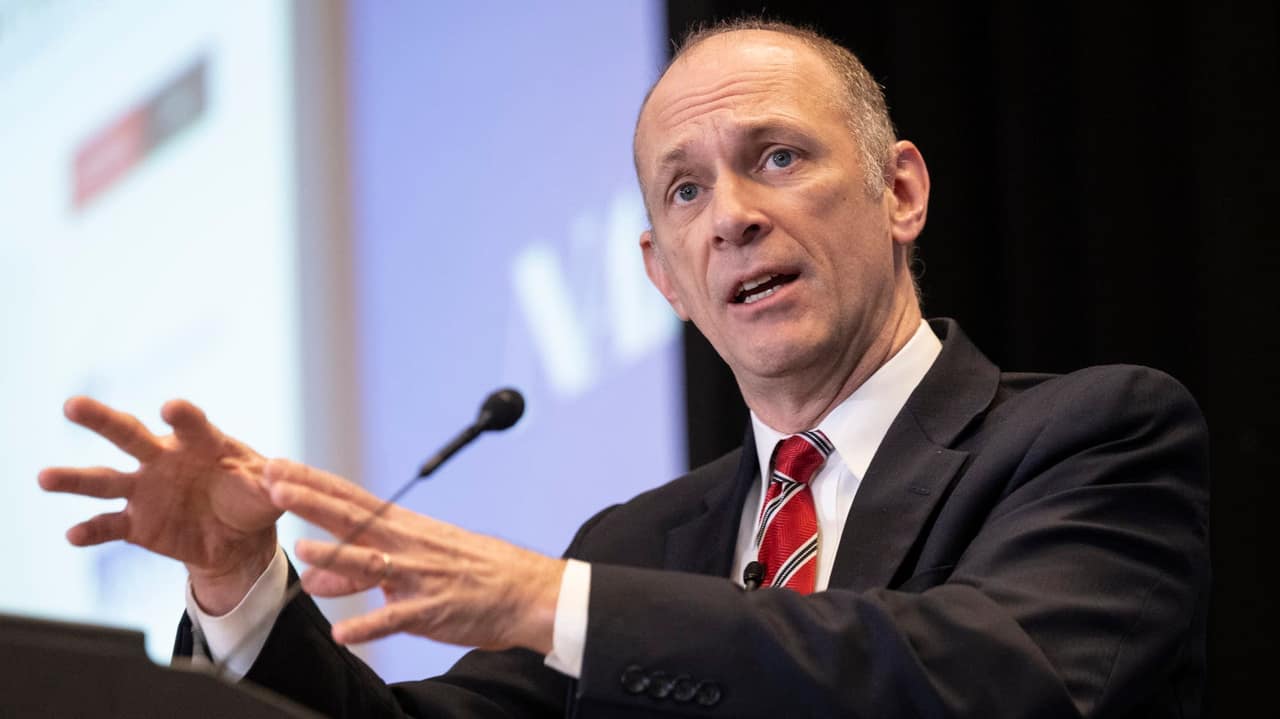
Central bankers across North America and Asia are closely monitoring inflation dynamics, with differing concerns and outlooks. In the United States, Federal Reserve Bank of Chicago President Austan Goolsbee has voiced apprehension that inflation is trending in an unfavorable direction. He is particularly focused on discerning whether the current inflationary pressures are transient or likely to persist. Despite these inflation concerns, Goolsbee noted that the U.S. labor market remains stable.
Canada is experiencing a more pronounced inflationary surge, with its annual inflation rate reaching 3.2% in May. This marks the first time in 29 months that the rate has exceeded the Bank of Canada's target range. Governor Tiff Macklem acknowledged that the recent rise in prices is primarily concentrated in the oil sector. However, he also expressed concern regarding persistent food inflation, which continues to be a significant factor.
In contrast, India's inflation appears to be more contained. According to the Reserve Bank of India's monthly bulletin, inflation in India remains anchored below the central bank's target. This stability has been maintained despite a recent energy shock, with limited pass-through of higher prices to domestic goods and services. The Reserve Bank of India attributes this resilience to the Indian economy's strong fundamentals, which include robust growth and well-anchored inflation expectations, entering the current period of global economic turbulence.
↳ Why This Matters
Central bankers across North America and Asia are closely monitoring inflation dynamics, with differing concerns and outlooks. In the United States, Federal Reserve Bank of Chicago President Austan Goolsbee has voiced apprehension that inflation is trending in an unfavorable direction. He is particularly focused on discerning whether the current inflationary pressures are transient or likely to persist. Despite these inflation concerns, Goolsbee noted that the U.S. labor market remains stable.
Frequently asked questions
The Federal Reserve's target inflation rate is 2%.
Goolsbee described the labor market as stable.
He is considering the fading effects of tariffs and potential resolutions to the Middle East conflict, as well as inflation in the services sector.
What Happens Next
01Federal Reserve will continue to monitor inflation data.
02Future FOMC meetings will assess the persistence of inflation.
03Potential policy decisions will be based on incoming economic data.
Get the newsletter.
Pick the topics you actually care about. We'll email when there's news worth your time, on the cadence you choose. Cancel any time from your account.