Key facts
- Canada's annual inflation rate hit 3.2% in May, exceeding the Bank of Canada's target range.
- Governor Tiff Macklem stated that the inflation increase is primarily due to oil prices.
- Macklem acknowledged that food inflation is a concern.
- RBC Economics forecasts central banks will hold interest rates through the end of the year.
- The Bank of Canada held its policy interest rate at 2.25% in March 2026.
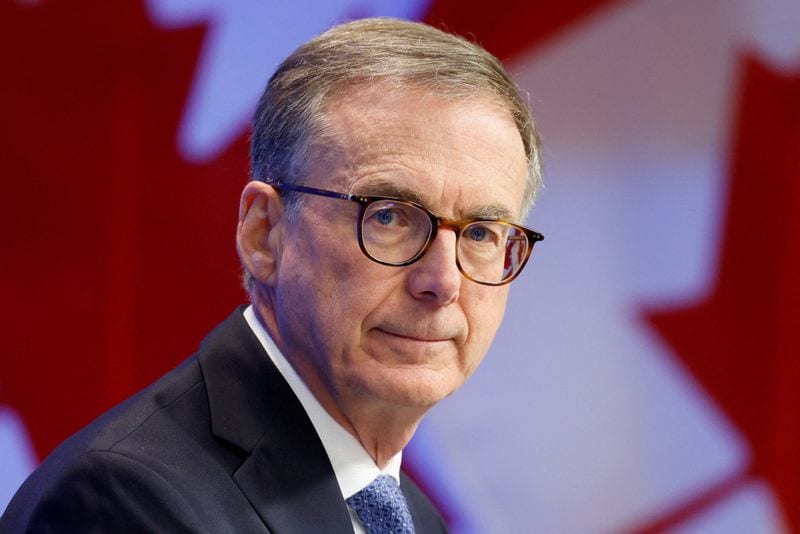
Bank of Canada Governor Tiff Macklem indicated that the recent increase in Canada's inflation rate is largely attributable to a surge in oil prices. Speaking on Tuesday, Macklem stated that price increases were "very concentrated in oil prices" and that there was no evidence of generalized inflation, though he conceded that food inflation remained a concern.
Canada's annual inflation rate for May reached 3.2%, marking the first time in 29 months that the Consumer Price Index has surpassed the Bank of Canada's target range of 1-3%. This development has prompted RBC Economics to upgrade its headline inflation forecasts for both Canada and the U.S. due to persistent higher oil prices.
RBC Economics anticipates that central banks will maintain current interest rates through the end of the year, despite the energy supply shock. They project that while higher fuel costs will impact household disposable incomes, consumers may tap into savings to mitigate the immediate effects before reducing spending on other goods and services. The firm expects little pass-through to core inflation this year, citing more resilient global supply chains and softened domestic demand compared to the 2022 energy shock.
In earlier commentary from March 2026, Macklem and Senior Deputy Governor Carolyn Rogers noted that the Bank of Canada had maintained its policy interest rate at 2.25%. At that time, inflation had been near the 2% target for over a year, but the conflict in Iran was causing oil prices to rise sharply, expected to push inflation higher in the short term. The Canadian economy was described as being in excess supply and growing slowly, with a soft labor market and an unemployment rate of 6.7% in February 2026. Inflation had eased to 1.8% by February 2026, with core measures also near 2%, though food inflation remained elevated.