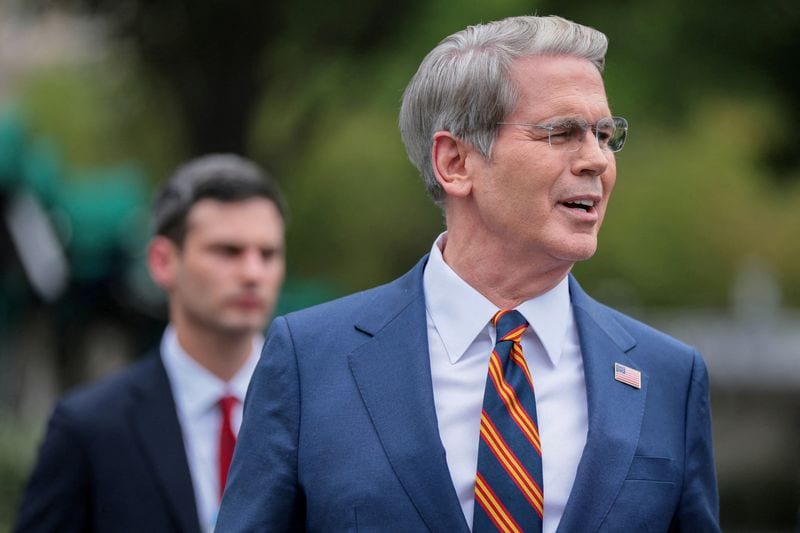
Key facts
- U.S. Treasury Secretary Scott Bessent has called for the Federal Reserve to consider increasing the size of the FIMA repo facility.
- The FIMA facility allows foreign central banks to borrow U.S. dollars against Treasury collateral.
- Japan and the U.S. Treasury recently conducted a joint intervention to support the yen.
- Bessent argued that the facility's size should be reviewed due to growth in the bond market since 2020.
- Concerns exist that expanding the facility could encourage market speculation against the yen.
- Increased use of the FIMA facility could impact the Federal Reserve's balance sheet reduction plans.
U.S. Treasury Secretary Scott Bessent has publicly encouraged the Federal Reserve to consider increasing the size of the Foreign and International Monetary Authorities (FIMA) repo facility, a move that could bolster Japan's efforts to support its currency. Bessent's comments follow a joint intervention by the U.S. Treasury and Japan's Ministry of Finance to buy yen, which had fallen to 40-year lows against the dollar. He suggested that the facility's current $60 billion cap, established in 2020, may be insufficient given the growth of the bond market. Bessent described the FIMA facility as a secure lending mechanism, comparable to swap lines, designed to protect the U.S. economy from external financial stress. However, some market observers and analysts caution that expanding the facility could be perceived as a signal of unlimited firepower, potentially inviting markets to test the resolve of the U.S. and Japan if further yen depreciation occurs. Additionally, increased usage of the FIMA facility could temporarily expand the Fed's balance sheet, complicating its ongoing efforts to reduce it.