Key facts
- The US and Japan conducted a joint intervention to support the yen.
Joint US-Japan intervention to support the yen has drawn attention to Japan's role as a major holder of US Treasurys. While direct sales are unlikely, rising Japanese government bond yields may reduce demand for US debt.
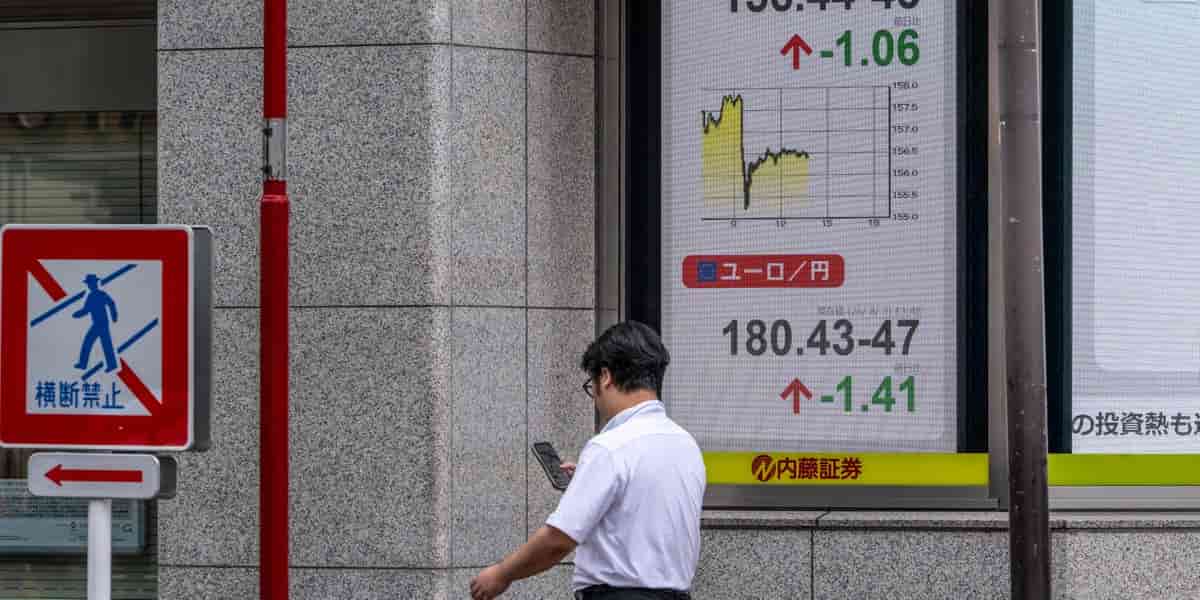
The intervention and shifting yield dynamics in Japan could impact US Treasury yields, affecting borrowing costs for the US government and global financial markets. Reduced Japanese demand for Treasurys could exacerbate challenges in financing the US deficit.
The US and Japan have intervened jointly to support the yen, a move that has heightened attention on Japan's substantial holdings of US Treasurys. The dollar-yen pair saw a rebound after the intervention on Friday, moving away from a nearly 40-year low.
Months of yen depreciation had driven up Japan's import costs and put pressure on its government bond market. Concerns emerged among Treasury investors that Japan might need to sell its US debt holdings to finance further currency interventions. As of May, Japan was the largest foreign holder of US government debt, and significant sales could lead to higher Treasury yields.
However, Japan's finance minister suggested that Tokyo could utilize the Federal Reserve's FIMA facility, allowing foreign central banks to borrow dollars against their Treasury holdings, thereby avoiding outright sales. This approach could mitigate the immediate risk of large-scale Treasury sell-offs.
Beyond intervention funding, a more persistent challenge for Treasury demand stems from rising yields on Japanese government bonds. These yields have reached their highest levels since the 1990s, making domestic Japanese debt increasingly competitive with currency-hedged US Treasurys. Historically, Japanese investors favored US Treasurys when they offered better returns after currency hedging. If higher domestic yields persist, Japanese investors may opt to keep their capital in Japan, potentially weakening demand for US government debt at a time when Washington requires foreign buyers to absorb record borrowing.