Key facts
- The US-Israel conflict with Iran has caused a significant increase in living costs for Americans.
- Gasoline prices have risen sharply, with the national average increasing by about 30% in a month.
- Consumers are facing higher costs for groceries, mortgages, and utilities.
- Moody's estimates the total cost to U.S. households from the conflict has reached $100 billion.
- Higher oil prices, with Brent crude exceeding $110 per barrel, are a major driver of increased expenses.
- Many Americans are cutting back on essential spending and taking on extra work to cope with financial strain.
The ongoing conflict involving the US and Iran has triggered a significant increase in living costs for Americans, impacting everything from daily commutes to long-term financial security. Following US-Israeli strikes on Iran and subsequent retaliatory actions, the closure of the Strait of Hormuz has disrupted global markets, leading to a sharp rise in oil prices.
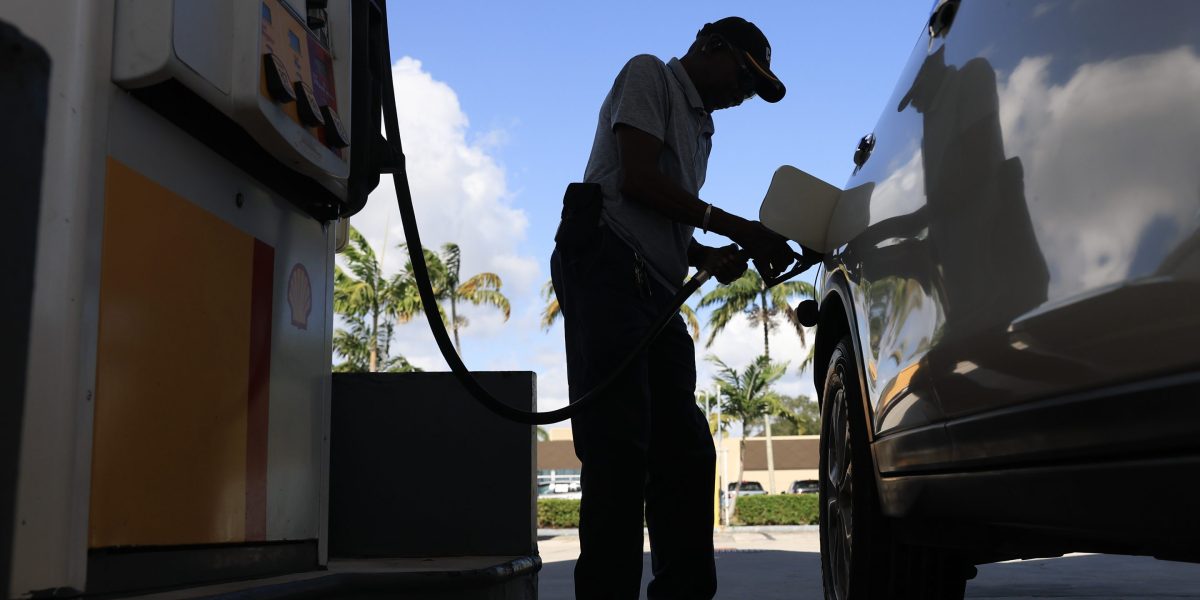
Gasoline prices have seen a substantial surge, with the national average climbing by approximately 30% in a single month. This, coupled with increases in grocery bills, mortgage rates, and fertilizer costs, is forcing many households to drastically reassess their budgets and cut back on essential expenditures. Individuals are reporting difficulties affording basic necessities, delaying home repairs, and struggling to manage car payments and maintenance.
Economists estimate the financial burden on U.S. consumers to be substantial. Moody's Analytics calculated the cost at $100 billion, or $750 per household, attributing it to increased military spending and oil supply disruptions. Research from Goldman Sachs and Morgan Stanley indicates that higher gasoline prices alone represent a significant annualized headwind to household incomes, with a sustained 15% increase in gas prices potentially offsetting average tax refund benefits.
The financial strain is particularly acute for middle and lower-income households. Reports suggest a growing hesitancy among these groups to spend on larger-ticket items like travel, reflecting uncertainty over wage growth and fuel costs. As savings rates remain low, consumers may be forced to further curb spending, potentially weighing on an already fragile economy if energy prices do not decrease soon.