Key facts
- Japan aims to increase the proportion of household financial assets in investments to 40% by 2040.
- Currently, only 23% of Japanese household assets are invested.
- The government is considering regulatory relaxations and tax incentives to encourage investment.
- Japan's economy is highly vulnerable to oil and LNG price spikes due to import dependency.
- Elevated energy prices are expected to contribute to inflation and potentially influence Bank of Japan policy.
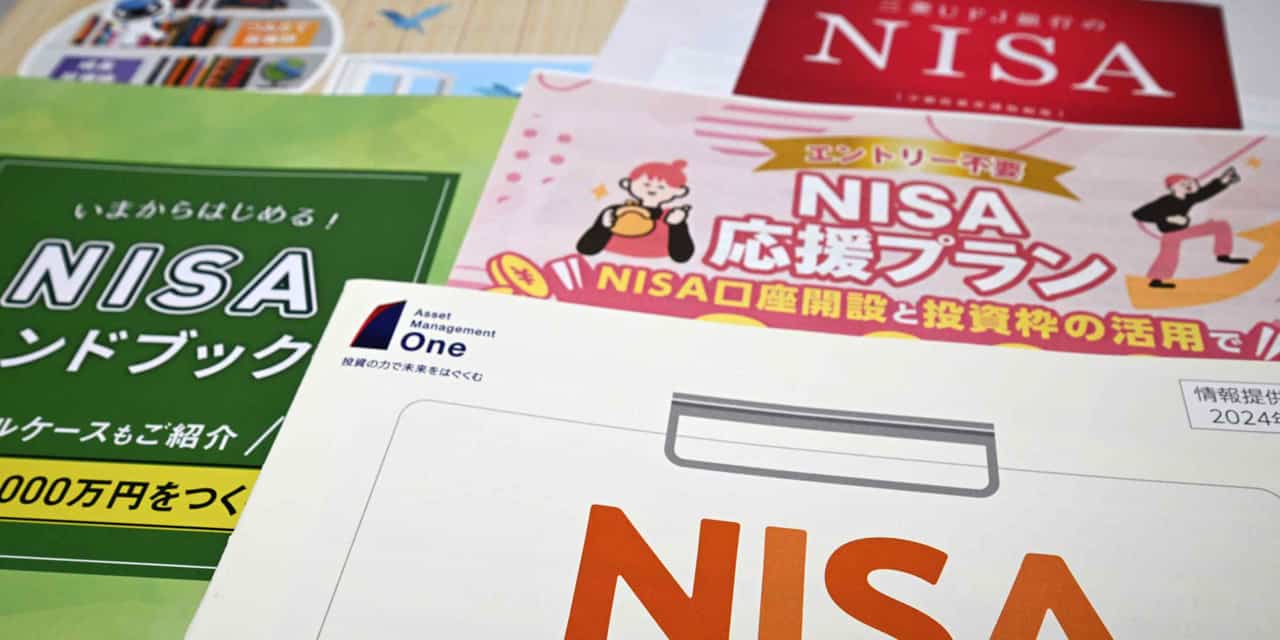
Japan is embarking on an ambitious plan to significantly boost household investment in financial markets, aiming to have 40% of household assets allocated to stocks, investment trusts, and bonds by 2040, a substantial increase from the current 23%. This strategic shift is being driven by the government's desire to move away from a savings-heavy economy and is supported by potential regulatory relaxations and tax incentives for retail investors, particularly concerning small investment trusts.
However, Japan's economic outlook is also influenced by external factors, notably its high dependency on imported energy. Recent spikes in oil and liquefied natural gas (LNG) prices, with Brent crude nearing $110 per barrel and LNG at $20 per MMBtu, present significant risks. These elevated prices are projected to increase consumer price index inflation, with estimates suggesting a sustained oil price of $100 per barrel could add 0.15 percentage points and a sustained LNG price of $20 per MMBtu could add 0.5 percentage points to inflation over six months. These figures represent lower bounds, as they do not account for broader ripple effects across the economy.
The yen's value, which has hovered below 160 per dollar, is also a key consideration. A weaker yen typically benefits exporting companies and repatriated profits, but the current environment of high energy prices may diminish these advantages. The Bank of Japan is closely monitoring the exchange rate and its inflationary impact, signaling a potential for more hawkish monetary policy if the yen continues to weaken or if inflation expectations become entrenched.
Historically, Japan's energy policy has been shaped by events like the 1970s oil shocks and the 2011 Fukushima nuclear incident. While reliance on thermal energy sources like LNG and coal peaked in 2015, it still accounts for approximately 60% of power generation. Renewables and nuclear power contribute around 11% and 8%, respectively, with nuclear power gradually regaining interest.