Key facts
- The U.S. dollar is poised for its largest monthly gain in nearly a year, driven by Gulf tensions and anticipation of U.S. jobs data.
- Renewed Middle East hostilities and U.S. Federal Reserve rate hike expectations are key drivers for the Indian rupee and government bonds.
- Oil prices rose due to strikes in the Strait of Hormuz, increasing safe-haven demand for the dollar.
- Investors are closely watching upcoming U.S. non-farm payroll and unemployment rate data for insights into the labor market and Fed policy.
- Foreign investors have purchased a record 279 billion rupees of Indian bonds this month.
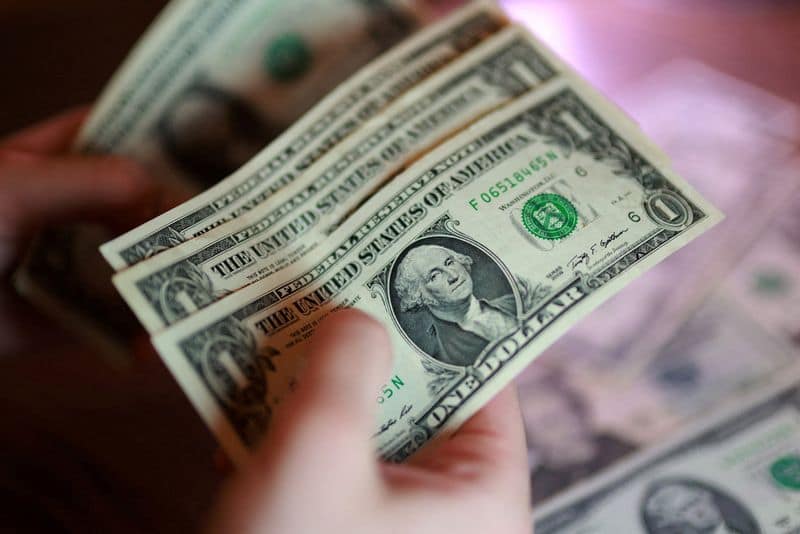
The U.S. dollar was on the defensive but on track for its biggest monthly gain in nearly a year as Middle East tensions and anticipation of U.S. jobs data kept investors on edge. The conflict with Iran has continued to stoke inflation pressures, while a hawkish debut from Federal Reserve Chair Kevin Warsh has reversed market expectations for U.S. rate cuts this year. A tech-led global equity selloff is also driving flows into the dollar as investors seek shelter.
The euro was flat, on track for a significant monthly decline, as were sterling, the Australian dollar, and the New Zealand dollar. The Japanese yen continued to languish near a 40-year low.
Investors are now watching U.S. non-farm payroll and unemployment rates due this week, which could offer fresh clues on the strength of the labor market and the outlook for Fed policy. Analysts suggest the dollar is likely to grind higher in coming weeks due to 'US exceptionalism' and a strong labor market.
The European Central Bank's annual forum is also under close watch, with markets looking for a clearer read on the new Fed chief during a key policy panel.