Key facts
- Economic activity increased slightly to moderately in 10 of 12 Federal Reserve districts.
- Consumer spending is bifurcated by income, with higher-income households resilient and lower-income consumers showing financial strain.
- Manufacturing activity increased modestly to strongly in nine districts.
- Inflation increased at a moderate to strong pace, primarily driven by energy-related costs.
- Employment showed little to no change across most districts, with modest wage growth.
- Delinquencies on residential mortgage, consumer, and agricultural loans are rising.
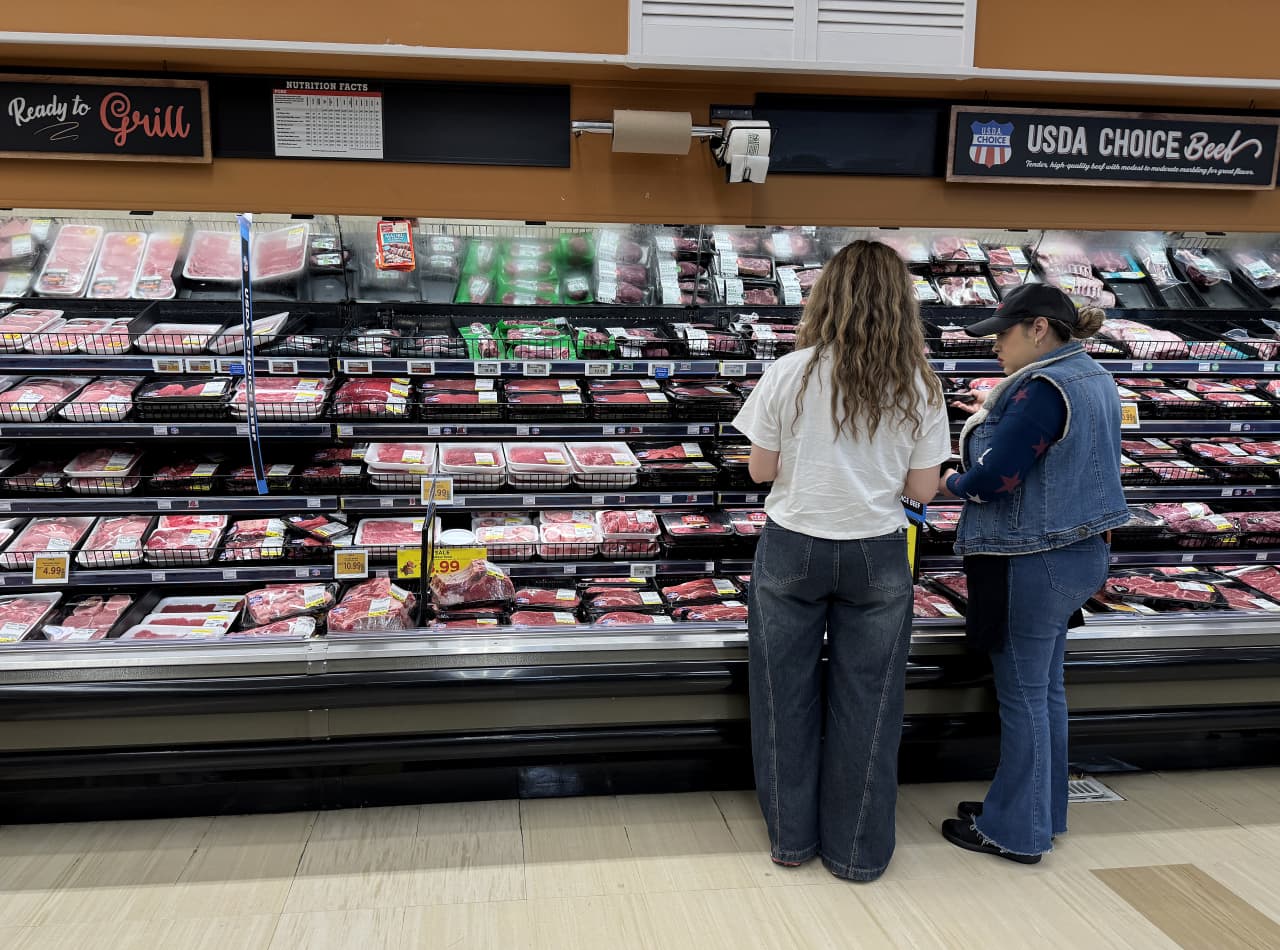
The latest Federal Reserve Beige Book report reveals that economic activity expanded at a slight to moderate pace in most of the twelve Federal Reserve Districts. Consumer spending remains mixed and increasingly bifurcated across income groups due to affordability pressures, highlighting a 'K-shaped' economy. Higher-income households are resilient to price increases, while middle-income consumers are carefully managing their budgets, and low-income consumers are experiencing greater financial strain, leading to increased credit card usage and a focus on necessities. Auto dealers noted softer new vehicle demand due to affordability and fuel costs, with a shift towards used and hybrid vehicles. Conversely, manufacturing activity increased at a modest to strong pace in nine districts. Banking conditions were stable overall, though residential mortgage, consumer, and agricultural loan delinquencies are rising in several districts. Agricultural conditions were unchanged or declined, with intensifying cost pressures from fuel and fertilizer spikes. Energy activity saw an increase in two markets, but producers are hesitant to expand due to uncertain outlooks. Business outlooks for the next six months anticipate little change in growth, influenced by elevated uncertainty and weakening consumer spending. Employment showed minimal change across eleven districts, with modest growth in one. Manufacturing hiring was strong in several districts, supported by defense activity and rising data center demand. Wage growth generally remained modest to moderate, largely in line with inflation, though some districts reported more frequent wage adjustments. Most districts described a low-hire, low-fire environment, with workers reluctant to change jobs. Hiring is selective and focused on critical roles or attrition replacement. Professional services occupations showed mixed demand. Prices increased at a moderate to strong pace overall, with most districts reporting higher inflation than in the previous report. Energy-related costs, linked to geopolitical conflicts, are the primary driver of inflationary pressures, affecting shipping, packaging, groceries, and fertilizer. Non-labor input costs are rising faster than selling prices, raising concerns about margin compression, and the ability to pass on costs varies by sector, especially for consumer-facing firms. Data from the New York Federal Reserve indicates that global supply chains remained under pressure in May, with the Global Supply Chain Pressure Index at 1.77, near levels seen in late 2022. This pressure is attributed to the war in the Middle East and its impact on vital waterways like the Strait of Hormuz, which impedes the flow of oil and other goods. These disruptions echo conditions seen during the COVID-19 pandemic and contribute to persistent inflation. The Institute for Supply Management's factory sector survey also noted rising challenges for factory operators in obtaining necessary inputs and increasing prices linked to the conflict. New York Fed President John Williams highlighted supply chain disruptions as a concern, while Boston Fed President Susan Collins warned of intensifying global economic strains, particularly in Asia, if shipments through the Strait do not resume soon. Cleveland Fed President Beth Hammack suggested that policymakers may need to consider raising rates if inflation pressures do not abate, noting that supply chain problems will continue for months, even if the Strait reopens. The Federal Reserve is expected to maintain its benchmark interest rate in the 3.50%-3.75% range at its upcoming meeting, though financial markets anticipate potential rate hikes due to persistent inflation.